

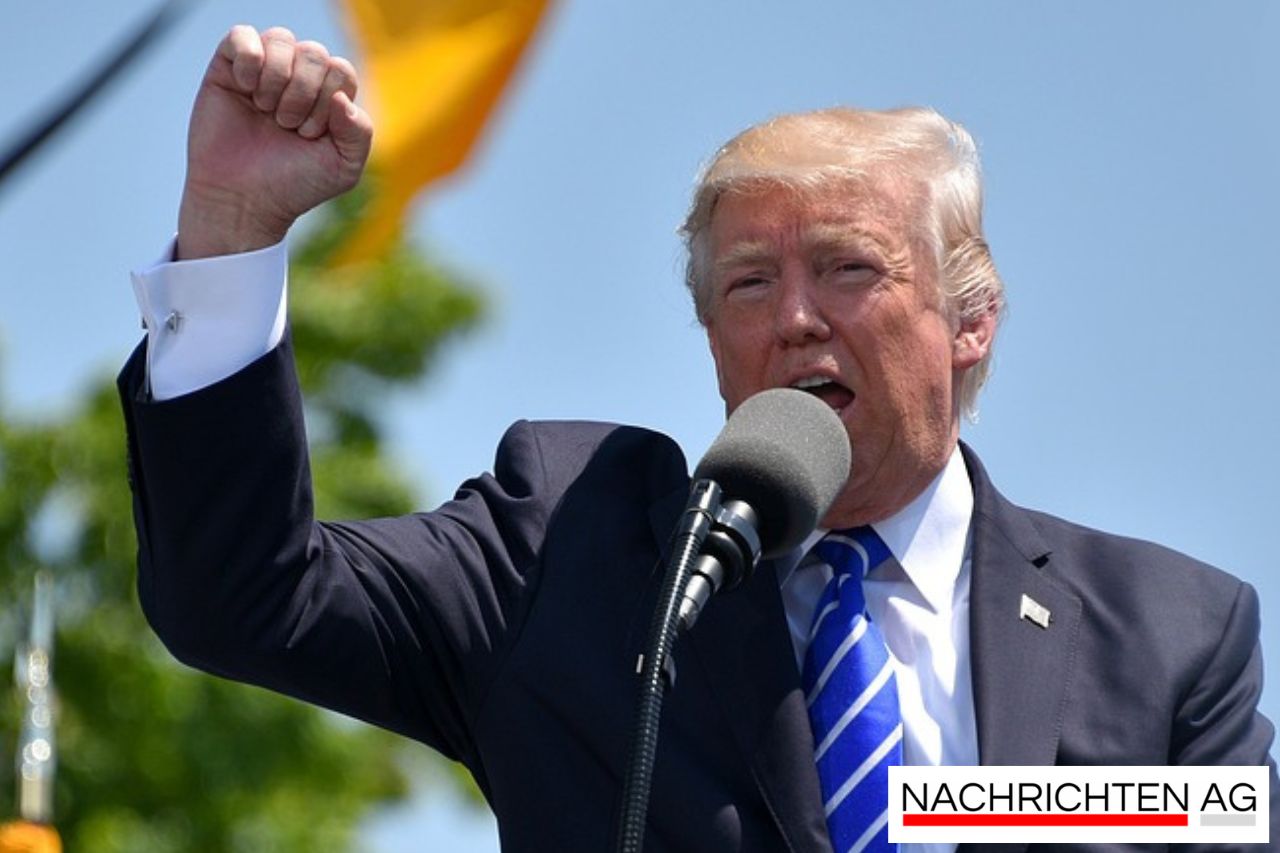


In a bold move sparked by current tariff uncertainties, Erdman Automotive of Brevard is rolling out an exciting opportunity for customers: employee pricing for everyone. As the local dealership announces this initiative, it aims to ease the financial burdens many consumers face amid ongoing trade tensions. With over 35 years of service in Brevard County, Erdman Automotive invites residents to take advantage of a pricing strategy that allows them to pay the same as their employees.
Located in Cocoa, Florida, Erdman Automotive boasts a diverse selection of vehicles, specializing in Nissan, Cadillac, and Toyota brands. The employee pricing event is available across all Erdman locations, including Mike Erdman Nissan, Mike Erdman Cadillac, and Mike Erdman Toyota. This initiative is particularly relevant as auto tariffs rise due to disputes over international trade initiated under the Trump administration that have left many consumers and automakers grappling with unpredictability.
Understanding the Tariff Landscape
According to Fortune Business Insights, the imposition of tariffs by the U.S. government has significantly impacted the automotive industry, particularly on Completely Built-Up (CBU) vehicles, which could face tariffs up to 25%. Under the United States-Mexico-Canada Agreement (USMCA), vehicles that have at least 75% of their components produced in North America can avoid these tariffs. However, for many manufacturers, adapting to these policies is no small feat, leading to anxiety across the entire sector.

While Erdman Automotive is proactively working to support its community, the overall industry faces mounting pressures. A recent report indicates that in 2024, the automotive market saw a modest recovery with about 15.97 million cars sold—up 2.3% year-over-year. Despite this rebound, tariffs placed on essential materials—such as steel and aluminum—continue to threaten both vehicle prices and overall market stability. The potential for higher prices may ultimately suppress demand.
The Broader Economic Impact
Statistics reveal that about 60% of cars sold in the U.S. are produced domestically, with approximately 40% imported. This landscape has made U.S. automakers particularly sensitive to foreign trade policies. For example, imports from Mexico hit $49.7 billion in 2024, while significant auto part imports continue to flow from both Mexico and Canada—a dynamic that may be altered by newly implemented tariffs.
Interestingly, certain automakers are feeling the pinch more than others. Brands like Jaguar Land Rover (all imports) and Mazda (81% imports) face a hefty toll from the tariffs, while Ford and Tesla may find themselves in a better position due to a lower dependency on foreign imports. This disparity highlights the vulnerability of the automotive sector as it tries to navigate through complex global supply chains and tariffs that seem to disrupt the market continuously.
General Motors and Ford, two of the Detroit Big Three, lead in export volumes from Mexico while grappling with their own challenges under the new tariff regime. Erdman Automotive’s customer-oriented strategy serves as a reminder of the unique ways local businesses are adapting to these shifts in the industry landscape, providing real savings with transparent pricing during this tumultuous time.
As inventory moves swiftly at Erdman, consumers are encouraged to take advantage of this limited-time offer. „We want to support our community as they navigate these uncertain times,“ explained a representative from Erdman Automotive. It’s a commendable response, but clarity over the future of tariffs is essential for stabilizing the auto sector and ensuring both consumer and manufacturer confidence.
In essence, the tumult of tariffs and trade disputes continues to cast shadows over the automotive market. While Erdman Automotive offers tangible savings, the broader uncertainties remain a topic for discussion among industry leaders and consumers alike.