



The warm waters off the beautiful coastlines of Guamá and Baconao in Santiago de Cuba have drawn many eager swimmers, especially during the vibrant summer months. However, as seen this past week, these picturesque spots also pose significant risks that cannot be ignored. Aris Arias Batalla, the provincial chief of Operations and Relief/Aquatic Safety, recently issued a stark warning about the dangers lurking beneath the surface.
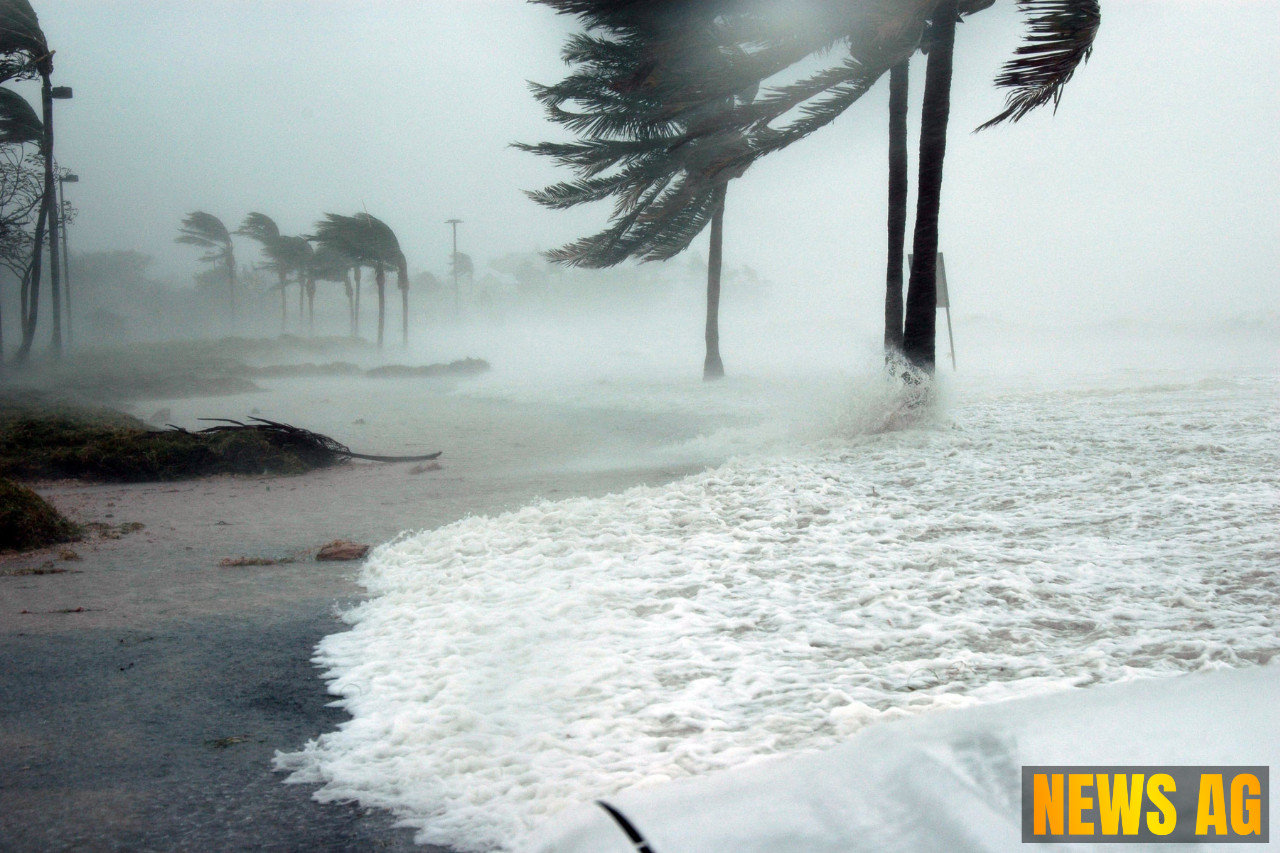
Notably, strong sea currents and irregular waves make these beaches perilous, particularly as we enter hurricane season. Arias, who has taken to social media to raise awareness, pointed out that the steep bottoms at Guamá and Baconao are laden with sharp rocks and corals. Swimmers may be drawn to the inviting water, but a sudden change in depth at Playa Cazonal can catch even the most experienced individuals off guard. It’s vital to remember that even on sunny days, weather conditions can shift rapidly, leading to increased wave height that can be hazardous.
Recent Incidents Raise Alarm
In a tragic reminder of these dangers, a drowning incident occurred recently at Juraguá beach. A 16-year-old girl, Rosa María Espinosa Quesada, lost her life while swimming in a reservoir, highlighting the critical issue of unsafe swimming locations. Following this event, Arias has emphasized the need for stricter enforcement against swimming in unauthorized areas like reservoirs, which are typically fraught with hidden dangers such as whirlpools, dangerous currents, and sudden water level drops.

Reservoirs are not designed for recreation. Arias explained that the conditions can be treacherous, with unstable silt and submerged structures posing significant risks. In the wake of this incident, he urged beachgoers to avoid diving into unknown waters, as this can lead to severe injuries. The summer months often see an uptick in accidents among young swimmers, making it essential to remain vigilant.
Safety Tips for Swimmers
The importance of swimming safety cannot be overstressed. It’s crucial to follow some fundamental guidelines to ensure a safe and enjoyable time in the water. The Centers for Disease Control and Prevention (CDC) recommends supervising children closely at all times and ensuring they learn basic swimming skills through formal lessons. Establishing safety measures at home, such as installing a four-sided fence around pools, can further prevent accidental drownings.
- Always swim with a buddy and opt for locations with lifeguards.
- Avoid swimming in rough waters or after heavy rains.
- Respect warning signs and consult locals about current conditions.
- Wear life jackets during water activities, especially for children.
- Avoid diving into waters of unknown depth.
For those who may be put in charge of a swimming outing, being designated as the responsible adult for supervision is paramount. This includes avoiding distractions like phones or reading materials while monitoring swimmers. Knowledge of CPR is also beneficial, as it can save lives in emergency situations.
As we navigate through this summer, let’s keep safety at the forefront. The waters of our beautiful coastlines should be enjoyed responsibly and with the utmost care. Let’s honor the memory of those lost by ensuring our communities practice safe swimming habits.
For more detailed information and safety practices, you can find resources from CiberCuba, Cuba Headlines, and the CDC.