

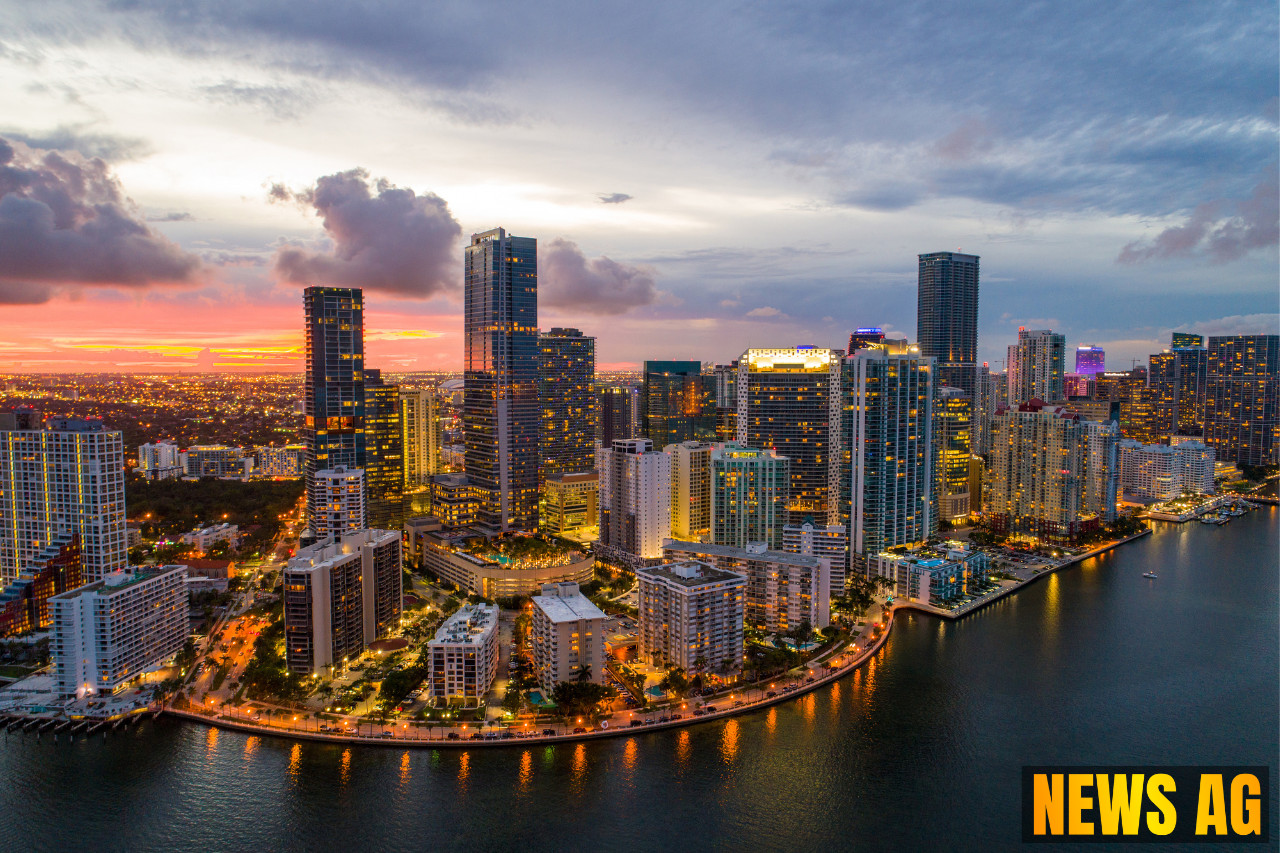


In a stunning move that has captured the attention of both the tech world and real estate enthusiasts, Mark Zuckerberg and his wife Priscilla Chan have recently purchased a villa on a private island near Miami for a jaw-dropping $170 million. This acquisition marks the highest price ever paid for a property in the area, signaling a significant shift in the real estate landscape of Florida. It’s not just Zuckerberg making waves; tech titans like Google founders Larry Page and Sergey Brin have also invested in Miami, while Amazon’s Jeff Bezos has settled on the same island.
But what’s driving this influx of tech entrepreneurs from California to Florida? A major factor is the proposed one-time tax of five percent on fortunes exceeding one billion dollars in California. For Zuckerberg, this could mean a staggering tax bill of over four billion dollars. This impending billionaire’s tax will be up for a vote in November, and many are already making their moves to avoid the hefty financial burden.
The Ripple Effect on Real Estate
The potential introduction of the billionaire’s tax has broader implications, not just for Florida but also for neighboring states. In Las Vegas, for instance, the luxury real estate market is booming. Prices for high-end properties have skyrocketed, with some listings jumping from $10 million to as much as $20 million. Notably, 80% of clients at IS Luxury, a prominent real estate agency, hail from California, reflecting the migration of wealth seeking more favorable tax conditions.

Statistics tell a compelling story: the number of millionaire households in the Las Vegas metropolitan area has surged from 331 in 2019 to an impressive 879 in 2023—an increase of 166%. While California’s income tax rate soars above 14% and property tax sits at 0.68%, Nevada offers a more appealing landscape with no state income tax and a property tax rate of just 0.44%.
Reactions and Protests
The proposed billionaires’ tax has sparked considerable controversy. In San Francisco, a protest dubbed the “March for Billionaires” attracted a mere 20 to 30 participants, highlighting the mixed feelings among the public regarding taxing the ultra-wealthy. Meanwhile, California’s Governor Gavin Newsom is reportedly planning to block the proposed legislation, indicating the contentious nature of the issue.
As tech moguls continue to make Florida their home, it raises questions about the long-term effects on both the California and Florida real estate markets. While Florida welcomes this new wave of wealthy residents, states like California may face challenges in retaining their high-profile entrepreneurs. Only time will tell how this real estate exodus evolves, but one thing is clear: the landscape is changing.
For more insights on this evolving story, you can check out the original report on the FAZ website and additional context from Germanic News.