
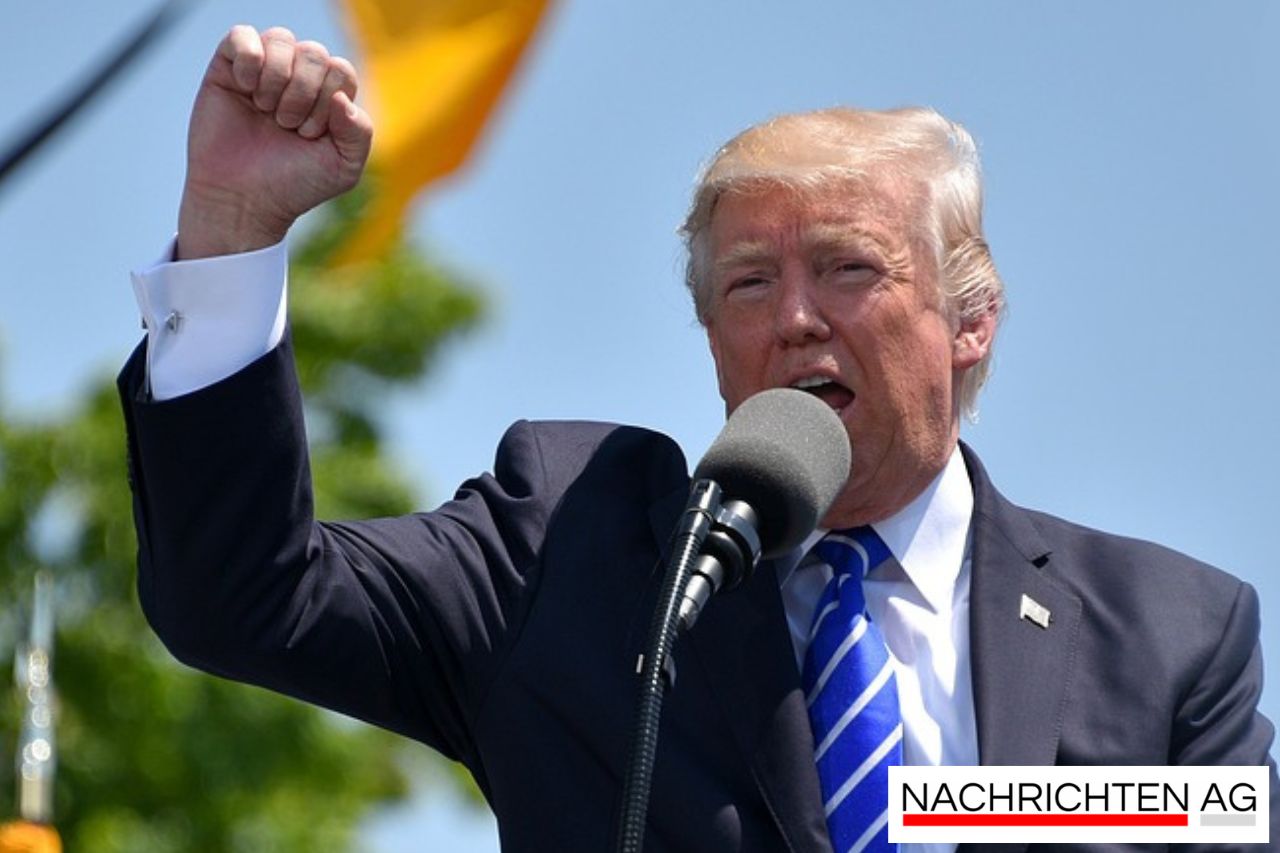
On June 10, 2025, the political climate in Florida is heating up as protests begin to take shape ahead of a nationwide demonstration. Hundreds of people have already gathered in front of the Florida Capitol, voicing their opposition to the Trump administration and its policies. This movement is part of a much larger wave of discontent, with over 1,800 „No Kings“ anti-Trump protests slated for June 14, coinciding with a military parade in Washington D.C.
According to News-Press, these protests aim to challenge the perceived authoritarianism and corruption associated with Trump. Notably, this wave of demonstrations also follows significant events in Los Angeles, where protests began on June 6. Activists responded to local raids by immigration officials, highlighting the ongoing tension surrounding immigration enforcement across the United States.
Motivations and Themes
The „No Kings“ protests are themed around a rejection of monarchy-like governance, encapsulated in the slogans „No thrones. No crowns. No kings.“ Progressive groups, which include Indivisible, are not merely responding to the administration’s actions but are pushing back against a military parade they see as a “made-for-TV display of dominance” to celebrate the U.S. Army’s 250th birthday on June 14. Interested in maintaining democratic principles, they argue that the government does not belong to a king, but to the people ABC News notes that Trump insists the parade is to honor the military and not for his birthday.
As preparations for these protests unfold, safety remains a central concern. Protesters are advised to act lawfully, bring necessary items like water and masks, and be aware of their surroundings. Importantly, Florida’s First Amendment rights protect these gatherings, but the ACLU emphasizes that there are reasonable restrictions, particularly concerning violent threats and specific locations during protests News-Press.
Local and National Impact
More than 75 „No Kings“ protests are scheduled across Florida alone. This echoing movement isn’t limited to the Sunshine State; events will also take place internationally, with organizers avoiding D.C. to shift the focus off the capital. As the stakes rise, the push against the Trump administration acknowledges the long-standing struggles for civil rights in the U.S., a discourse strengthened by historical movements that have utilized First Amendment protections to advocate for change First Amendment Center.
Looking back at key moments in history, such as the Civil Rights Movement, it’s clear that assembly and free speech have played pivotal roles in advocating for justice and equality. The voices rising today are an extension of that legacy, reaffirming that the fundamental rights protected under the First Amendment remain vital in the face of perceived oppression.
With tensions high and voices united, the upcoming protests symbolize a collective stand against what many see as threats to democracy. It’s a pivotal moment for activism across the nation—a reminder that in the eyes of the people, everyone has a right to peaceably assemble and voice their dissent.