
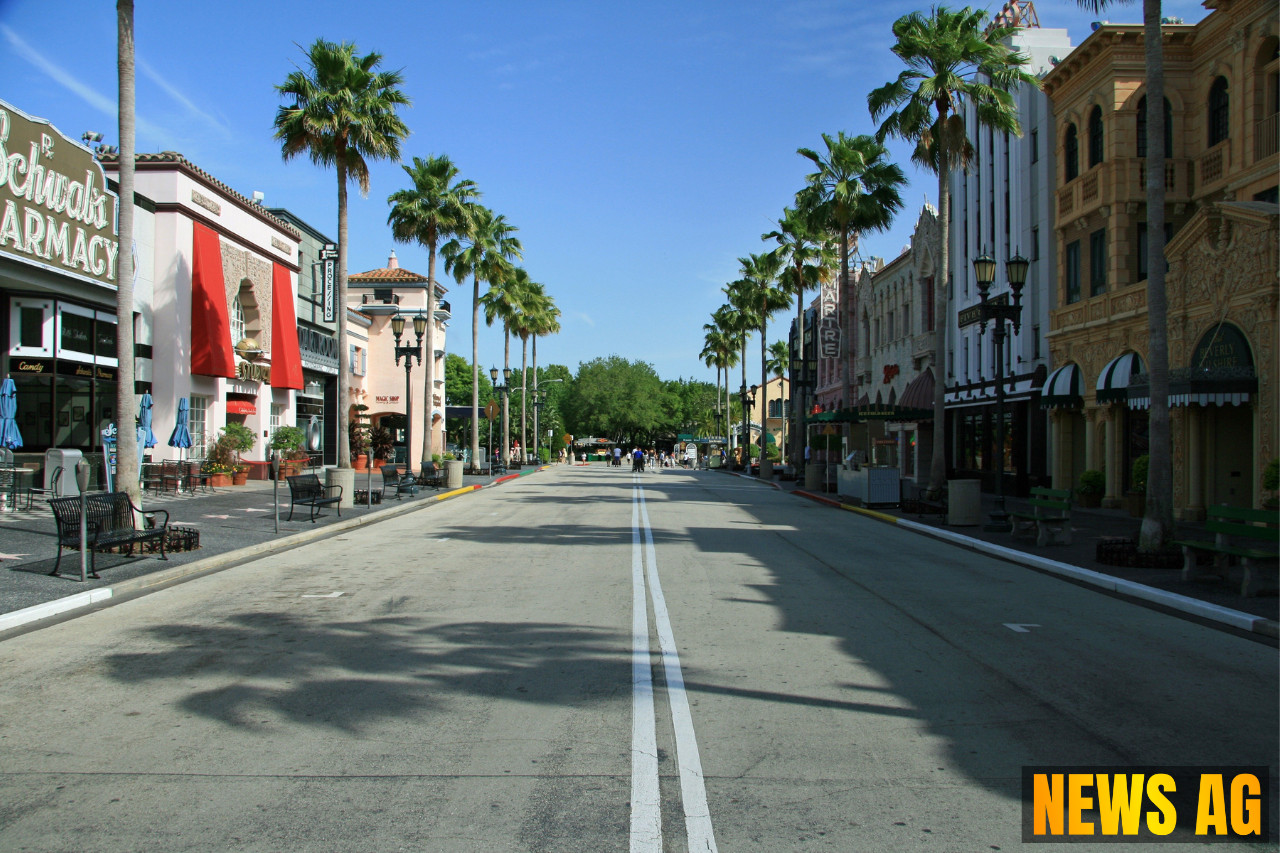
Today is May 22, 2026, and I’m excited to dive into the vibrant city of Hialeah, nestled in Miami-Dade County, Florida! With a population of 223,109 according to the 2020 U.S. Census, Hialeah stands as the second-largest city in Miami-Dade County and the Miami metropolitan area. Just a short drive—about 5 kilometers northwest of Miami—this city has a character all its own.
Hialeah is a melting pot of cultures, with a strikingly high percentage of its residents identifying as Hispanic or Latino—94.7% according to the 2010 census. The flavor of the community is palpable, and it’s reflected in everything from the local cuisine to the vibrant street life. Spanish is the dominant language, with about 92.14% of the population speaking it at home. You can almost hear the lively conversations wafting through the air, creating a warm, familial atmosphere.
A Closer Look at Hialeah
Now, let’s break down the demographics a bit more. The city has a fairly even gender distribution, with 106,576 men and 116,533 women recorded in 2020. Age-wise, Hialeah showcases a diverse range of residents: 36,770 individuals are aged 0-17, while a significant chunk—138,254—falls between 18 and 64 years old. For those 65 and older, there are about 48,085 residents, making up a notable portion of the community.
The city covers an area of 48.4 square miles and boasts a population density of 7,265.4 people per square mile. How’s that for bustling? It’s an urban haven, with 223,079 residents living in an urban setting. The city’s economic landscape is equally interesting, with major employers like Palmetto General Hospital and the City of Hialeah providing thousands of jobs. In 2018, for instance, Palmetto General Hospital alone employed 1,635 people!
Community and Culture
Hialeah is not without its challenges—about 14.5% of the population lives below the poverty line. But the spirit of the community shines brightly. The average household size is about 3.13 people, and most households (78%) are family households. There’s a strong sense of community here, and you can feel it in the air. The city’s history is rich, with landmarks like the Hialeah Park Race Track and the Hialeah Seaboard Air Line Railway Station both listed on the National Register of Historic Places. These sites tell stories of the past while contributing to the unique charm of the city.
Transportation is also quite accessible, with major highways like Interstate 75 and various state roads running through it. The Metrorail stations at Okeechobee and Hialeah offer convenient public transit options, while the Miami Airport is just south of the city, making travel a breeze.
Statistics and Insights
According to the most recent data, approximately 81% of Hialeah’s residents have graduated high school, with 25.8% holding a bachelor’s degree or higher. Not too shabby, right? Yet, the average income is around $31,096, which is something to ponder. In fact, the average commute time to work is about 30.8 minutes—slightly longer than the national average. It seems like folks here are used to spending a bit of time on the road, but that’s a small price to pay for being part of such a dynamic community.
Interestingly, Hialeah also has a rich tapestry of notable personalities, including former mayors like Raúl L. Martínez and Carlos Hernández, who have played significant roles in shaping the city’s development. Whether it’s through local governance or contributions to the arts and sports, these individuals have left a mark that’s hard to overlook.
So, there you have it! Hialeah is a city that beats with vitality and diversity. It’s a place where cultures collide, stories are shared, and community thrives. With its unique charm, it’s no wonder that Hialeah continues to attract folks from all walks of life.
For more detailed statistics and insights about Hialeah, check out the sources: Wikipedia, City Population, and Census Reporter.