
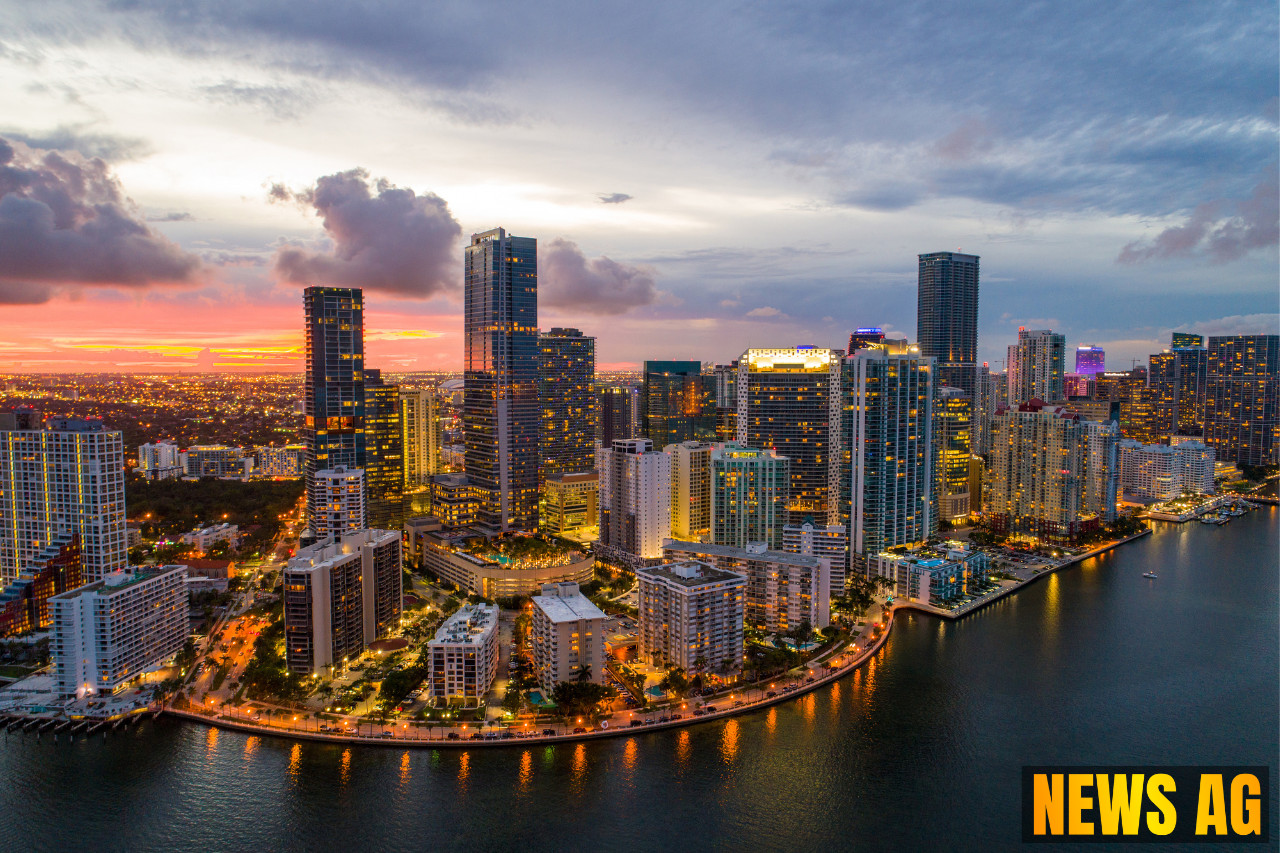
Today is May 11, 2026, and as the sun sets over Key Biscayne, I’m reflecting on the natural wonders of Florida’s state parks. Boasting 175 state parks, Florida ranks among the top five states in the U.S. for having the most. These parks are absolute gems, drawing in hundreds of thousands of visitors each year with their stunning beaches, surf spots, and diverse wildlife. Admission fees? They usually hover around a mere $8 for a day pass—quite the deal, if you ask me! But just a heads-up, some parks have been known to temporarily close due to overcrowding. It’s always smart to check ahead before you go! You can find a detailed ranking of these parks based on visitor ratings and reviews on platforms like Google and Tripadvisor, which is super helpful for planning your next adventure. Source.
Among these parks, one stands out for its astonishing visitor numbers. Honeymoon Island State Park, located in Dunedin, topped the charts with an impressive 1.77 million visitors in 2025. It’s a haven for shelling, hiking, and birding—perfect for those who appreciate nature’s beauty! But be warned, weekends can get pretty busy, and that shallow water is tempting for all ages. And as you explore, don’t miss the ferry access to Caladesi Island!
Top Parks to Visit
St. Andrews State Park in Panama City Beach isn’t far behind, with nearly 750,000 visits in 2025. This park is a treat for anyone who loves the outdoors. With five unique ecological landscapes and 1.5 miles of beach, it’s a paradise for fishing, swimming, and birdwatching. Plus, you can hop on a ferry to Shell Island and camp in eco-tents for a touch of glamping—how cool is that?
Then there’s Blue Spring State Park, near Orange City, where you can witness the magic of fireflies and manatees. In fact, there were 729 manatees counted in 2023! Birdwatching, camping, and swimming are all on the agenda, but be prepared for some long queues during peak times. It’s a popular spot for good reason!
On the historical front, Anastasia State Park in St. Augustine offers 1,600 acres rich in archaeological significance. Bike rentals and water sports make it a fun stop, and the 139-site campground is equipped with electricity and water—perfect for those looking to stay a while.
Henderson Beach State Park, nestled in Destin, attracted over 525,000 visitors in 2025. Known for its stunning beaches and fishing spots, it’s implementing a day-use reservation system starting in May 2026, so keep that in mind if you plan to visit. And if you’re looking for a slice of history, Bill Baggs Cape Florida State Park in Key Biscayne is home to a historic lighthouse and offers picnic areas and bike rentals—ideal for a laid-back afternoon.
The Impact of Hurricane Milton
Unfortunately, not all parks are thriving. Stump Pass Beach was excluded from the ranking due to severe damage caused by Hurricane Milton in October 2024. This hurricane was no ordinary storm; it made landfall as a Category 3 hurricane, with peak winds hitting 180 mph. It wreaked havoc on the Gulf coast, which was still reeling from Hurricane Helene just weeks earlier. The National Hurricane Center reported damages estimated at a staggering $34.3 billion across the U.S., primarily in Florida. Evacuation orders were issued, and storm surges reached up to 10 feet in some areas. In some communities, floodwaters still haven’t receded, and health advisories have been issued to avoid contaminated water.
The aftermath of Hurricane Milton also included a tragic tornado outbreak, leaving behind devastation and loss of life. Reports indicate that 15 direct deaths were linked to the storm, with many more affected indirectly by the chaos that followed. Cleanup efforts are ongoing, with volunteers working tirelessly to remove debris from affected beaches. The community is resilient, but the scars of this disaster will take time to heal. For more details on the impact of this storm, check out this report.
Even more alarming, the storm has led to increased pollution concerns, including harmful algal blooms and red tide in the Tampa Bay area. The Florida Department of Health has issued advisories as the state grapples with the aftermath. It’s a stark reminder of how fragile our ecosystems are, especially in the face of climate change. The surge in ocean temperatures during the 2024 hurricane season only exacerbated the storm’s intensity, making it a topic of conversation long after the winds have died down.
As recovery continues, various organizations are stepping up to provide disaster aid, and volunteers are coming together to support the community. It’s heartening to see such solidarity in times of crisis. Florida’s state parks have always been a source of joy and beauty for many, and with a little patience and hard work, they will rise again, bringing their magic back to life.