
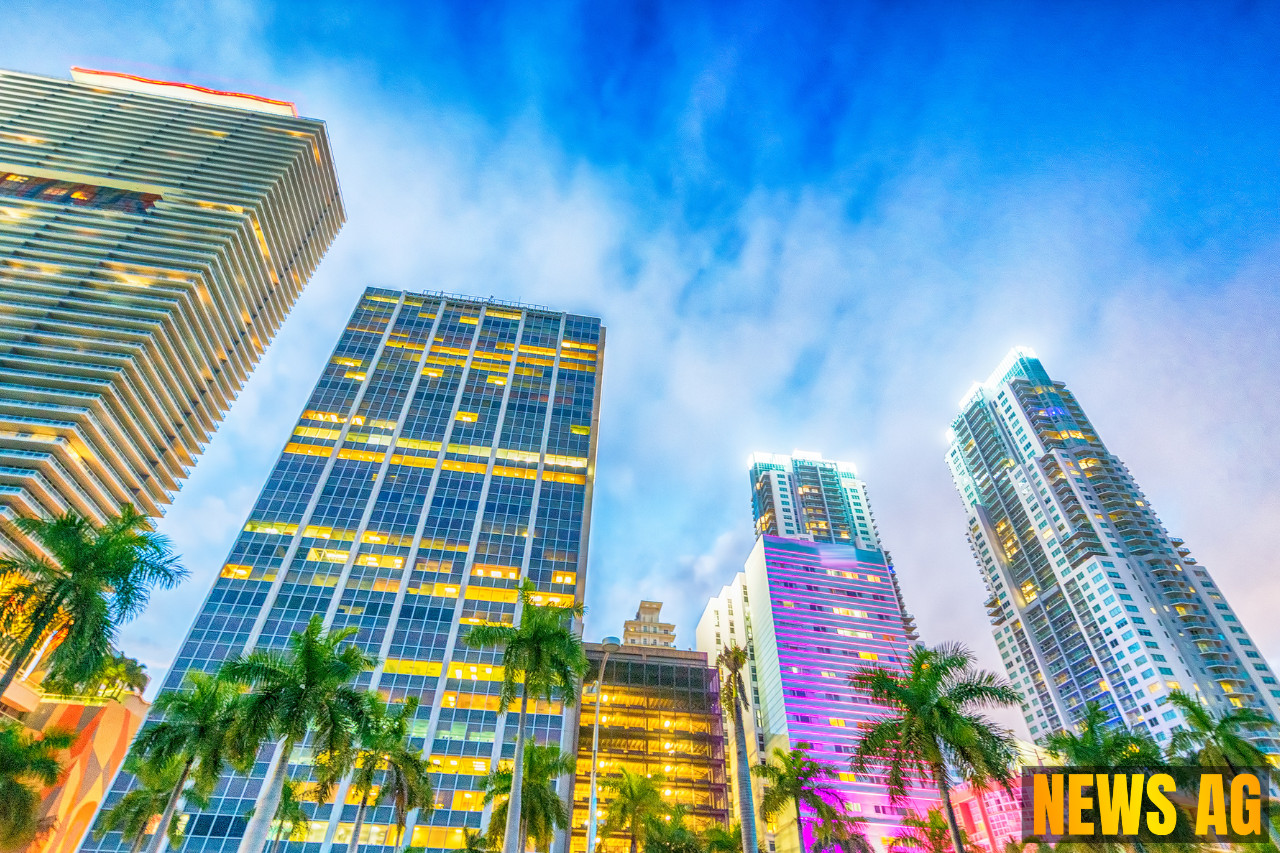
As we navigate the challenges of hurricane season, recent developments in Florida’s Senate have shed light on the state’s commitment to enhancing storm preparedness for condominium communities. On a decisive note, the Senate unanimously passed a bill that allocates state funds for stormproofing projects specifically aimed at condominiums. This legislative step, backed by a vote of 37-0, signals a proactive approach to safeguarding residents from the inevitable weather challenges that come with living in the Sunshine State.
Senator Jason Pizzo, a prominent advocate for the bill, has been vocal about the shortcomings of the original My Safe Florida Condominium Pilot Program, which was launched in 2024. Criticism has been directed at its perceived inefficiency and the fact that only about $10 million of its $30 million budget has been utilized thus far, with a significant portion spent on administrative costs. Pizzo emphasizes that financial support is crucial for essential upgrades in many condominiums, particularly for those situated in higher floors where wind-driven rain can be a significant threat.
Strengthening Our Condominiums
The My Safe Florida Condominium Pilot Program was designed to provide eligible condominium associations with resources aimed at bolstering their buildings against hurricane winds. The program includes a free inspection service that identifies existing hurricane-resistant features and offers recommendations for improvements. These enhancements are not just critical for safety; they can also help lower insurance premiums for residents.
In addition to inspections, the program allows condominium associations to apply for grants to fund specific wind-mitigation improvements outlined in the inspection reports. These improvements are essential, as they not only protect against potential hurricane damage but also serve to reduce wind insurance costs. A reimbursement grant is available after the successful completion of the approved upgrades, ensuring that the investment translates into tangible benefits for residents.
Legislative Progress and Challenges
While the Senate bill, SB 1706, proposes to broaden eligibility for stormproofing funds across the state, it also imposes restrictions aimed at older condominiums. To qualify for funding, at least 80% of the units must be occupied by households earning no more than 80% of the regional median income. This stipulation aims to ensure that those most in need receive the necessary financial support.
However, an accompanying measure, HB 1497, has faced hurdles in the House, having only passed one of three committees. This has raised concerns among advocates who believe that a robust legislative framework is essential for the success of stormproofing initiatives.
Broader Context of Climate Adaptation
As Florida grapples with the realities of climate change, the need for updated building practices is echoed in literature from beyond our state. A recent brochure from the Federal Institute for Research on Building, Urban Affairs and Spatial Development in Germany highlights that many residential buildings are not adequately prepared for extreme weather events like heatwaves and heavy rainfall. This underscores the global nature of the challenge we face.
The brochure stresses the importance of climate-adapted construction and offers planning recommendations for architects, builders, and property owners. Key strategies include flexible shading elements, night ventilation, and the use of green roofs, which can help mitigate heat and manage stormwater effectively.
In conclusion, as we look to fortify our condominiums and communities against the increasing threats posed by severe weather, the legislative actions and programs like My Safe Florida Condominium Pilot Program are stepping stones toward a more resilient future. For more information on the program and its resources, visit My Safe Florida Condominium. Additionally, for insights into climate adaptation measures, check out the brochure from the BBSR at BBSR.