

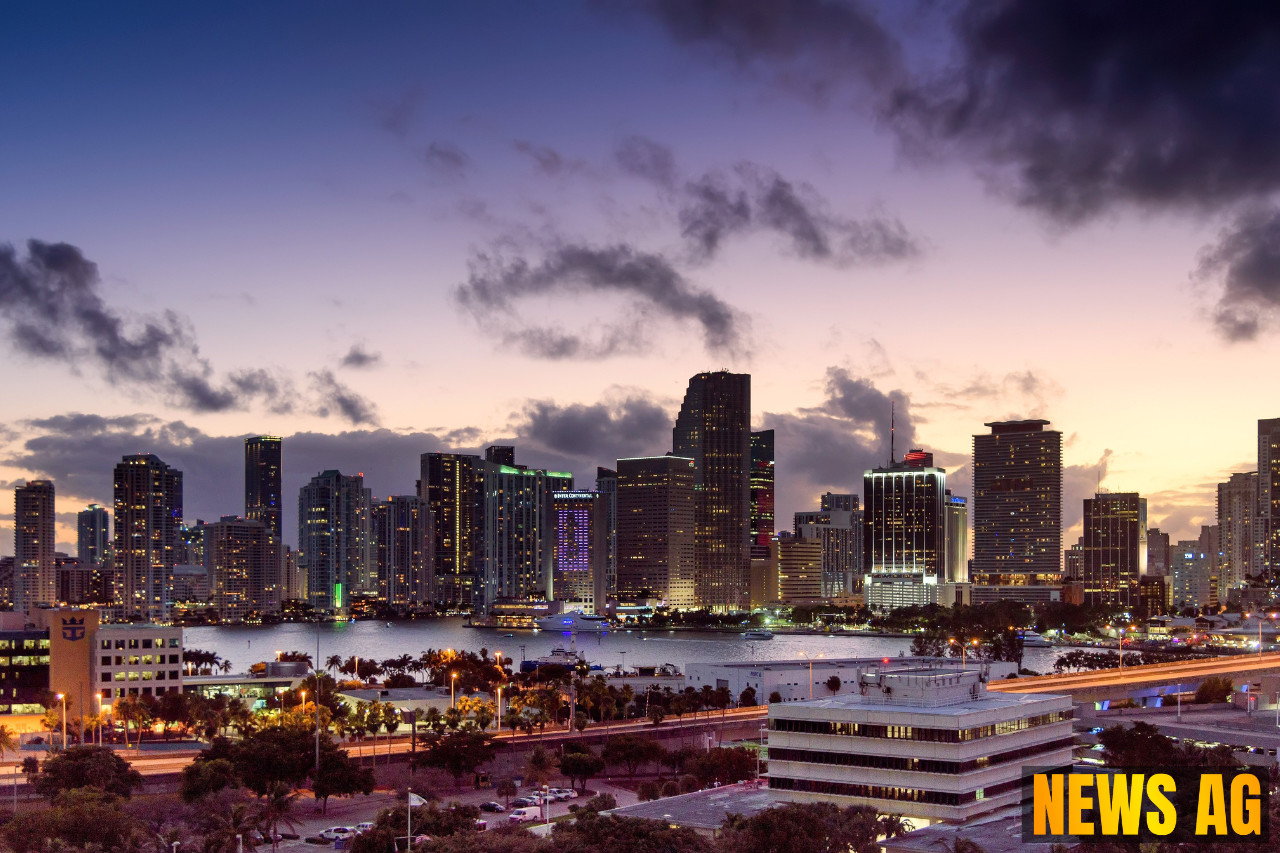


Florida, a vibrant state in the southeastern United States, boasts a unique landscape filled with municipalities that reflect both its diversity and history. With 267 cities, 123 towns, and 21 villages, it totals an impressive 411 municipalities spread across 67 counties. Each locality brings its own flavor, contributing to the rich tapestry of life in Florida. According to Wikipedia, most residents are drawn to urban areas, with roughly 92% of the population living in cities and towns, leaving a scant few in rural regions.
One standout is Jacksonville, the largest municipality in terms of both population and area, encompassing 949,611 residents across 874.6 square miles. This city operates under a consolidated city-county government, an anomaly in Florida where only Jacksonville enjoys such a setup. As a result, there are no separate administrative functions for Duval County, which simplifies governance but adds an interesting layer to community dynamics.
Florida’s Unique Municipal Structure
The structure of these municipalities is fascinating. There’s no legal distinction between a city, town, or village in Florida; all are classified as municipalities under state law. This creates a uniform governance approach, where each municipality operates under its own charter approved by local voters and confirmed by the state legislature. With municipalities like Marineland having fewer than 20 residents, while larger cities thrive, the breadth of community sizes and governance styles invites curiosity and conversation.

Furthermore, the first municipalities to be incorporated were St. Augustine and Pensacola back in 1822. It’s noteworthy that the last incorporation was in 2017, with Indiantown joining the list. This lengthy timeline hints at the ongoing evolution and growth of Florida’s communities over the years.
Understanding Municipal Geography
Delving into the geography of Florida’s municipalities offers an intriguing perspective into how they are mapped and understood. As noted by Reference.com, incorporated municipalities have defined corporate limits and governance structures which distinguish them from census-designated places (CDPs), statistical areas without independent governments. Unlike CDPs, municipalities are equipped to provide specific services and uphold regulations that benefit their residents.
Capturing the nuances of municipal design is essential for everything from urban planning to disaster management. Utilizing various mapping techniques—like high-resolution boundary maps and demographic layers—can significantly bolster planning efforts. Properly understanding these elements leads to better resource allocation, whether for daily services or emergency response.
The Role of Governance in Municipalities
When discussing governance, many of Florida’s larger municipalities employ a strong mayor-Council system. Here, the mayor typically names a chief administrative officer, a role akin to that of a city manager, which is a strategy utilized by 70% of local governments in the state. While mayors may serve more as ceremonial figures, their role is pivotal in binding the community together and facilitating civic engagement.
This interaction with the community and local governance structures opens doors to how residents perceive their municipalities. Through meaningful dialogue and participatory governance, communities can strengthen their resilience and adapt to changes, whether economic or environmental.
In conclusion, Florida’s municipalities are more than just names on a map. They personify a diverse population, each with its own collective story and history. From the sprawling urban landscape of Jacksonville to the quaint charm of Marineland, Florida offers a mosaic of communities where citizens can connect and thrive. Understanding these municipalities is key to appreciating the community spirit that defines the Sunshine State.