

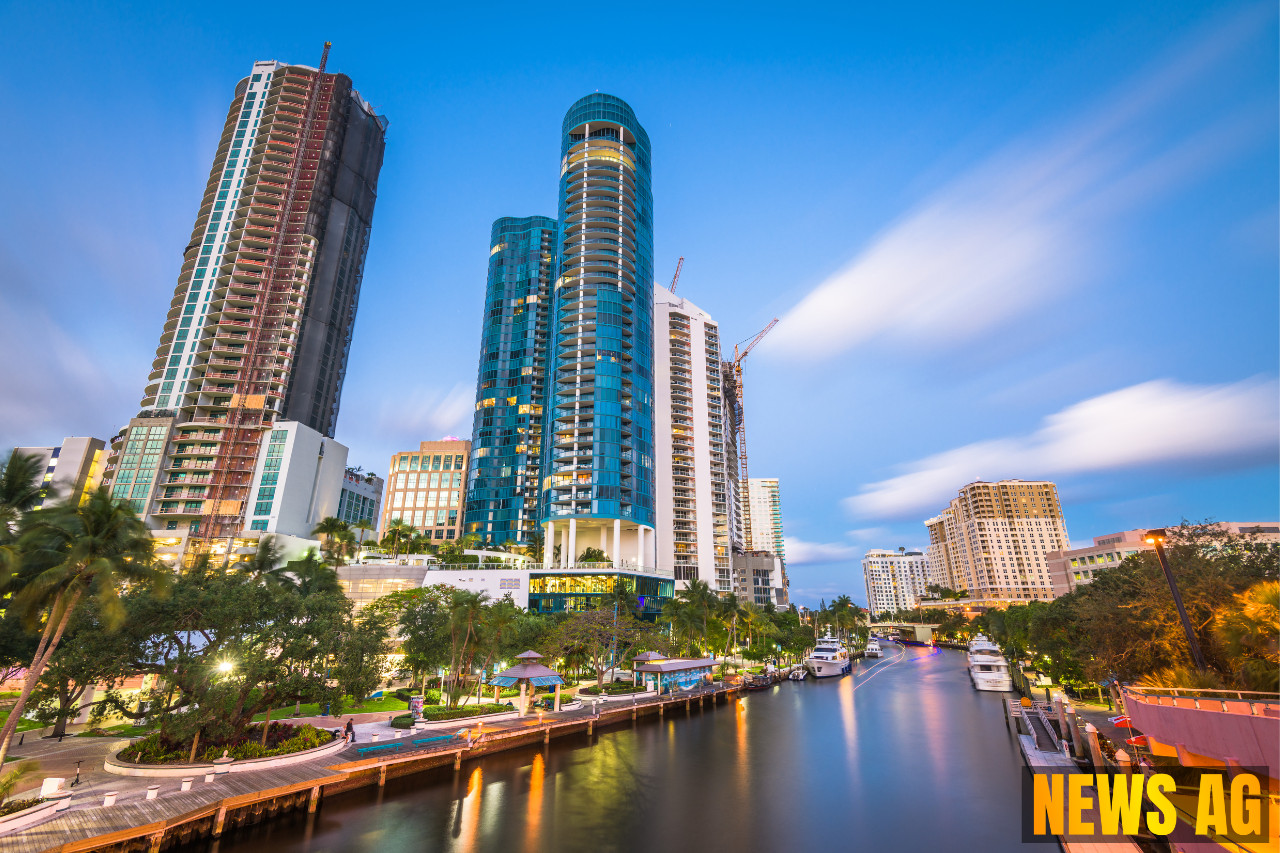


As we dive into the heart of hurricane season, it’s essential to understand the unique challenges faced by Fort Lauderdale, Florida. This vibrant city, nestled on the southeastern coast, is no stranger to the fury of hurricanes. With its low-lying coastal topography, extensive waterways, and proximity to the Atlantic Ocean, Fort Lauderdale is particularly vulnerable to storm surges and flooding. The hurricane season spans from June 1 to November 30, bringing varying degrees of tropical activity that can significantly impact the region.
Historically, Fort Lauderdale has weathered its fair share of fierce storms. Notable hurricanes include Hurricane Andrew in 1992, which caused considerable wind damage and flooding, prompting a reassessment of building codes and emergency protocols. Following that, Hurricane Wilma in 2005 struck as a Category 3 hurricane, leading to widespread power outages and severe flooding, emphasizing the need for resilient infrastructure. More recently, Hurricane Irma in 2017 passed just west of the city as a Category 4 hurricane, causing extensive damage and revealing both strengths and gaps in emergency response systems. For a more detailed overview, you can check the comprehensive guide on hurricane preparedness in Fort Lauderdale here.
Preparedness and Infrastructure
In response to these challenges, Fort Lauderdale has made significant investments in hurricane preparedness. The Broward County Emergency Operations Center plays a crucial role in coordinating emergency management efforts, including evacuation orders and public information dissemination. Stricter building codes and upgrades to stormwater drainage systems and seawalls have been implemented, especially following Hurricane Andrew, to enhance infrastructure resilience.

Community engagement remains a cornerstone of these efforts. Public outreach programs aim to raise awareness about hurricane risks and preparedness measures. However, the city continues to face ongoing challenges. Climate change, with its contribution to warmer ocean temperatures and increasing hurricane intensity, poses a persistent threat to infrastructure. Rapid urban development has led to an increase in impervious surfaces, further exacerbating flooding risks. Additionally, the economic impacts of hurricane damage on tourism, real estate, and local businesses require substantial resources for recovery.
Technological Advances and Future Planning
Fortunately, technological advances in meteorological forecasting have improved hurricane tracking and evacuation planning. Key components of effective hurricane preparedness in Fort Lauderdale include:
- Accurate forecasting using satellite data.
- Timely public communication of warnings and instructions.
- Clear evacuation planning for vulnerable populations.
- Infrastructure upgrades to withstand hurricane conditions.
- Community training on preparedness measures and emergency procedures.
As we prepare to face the hurricane season once again, it’s vital for residents and visitors alike to stay informed and proactive. Fort Lauderdale’s commitment to hurricane preparedness and community resilience is a testament to the city’s dedication to protecting its citizens and infrastructure.
For further insights into the ongoing strategies and historical context of hurricanes in Fort Lauderdale, refer to additional sources that provide a broader understanding of the area’s unique challenges and responses. It’s always a good idea to stay updated and ready, especially in a region as dynamic and susceptible to storms as this one.