

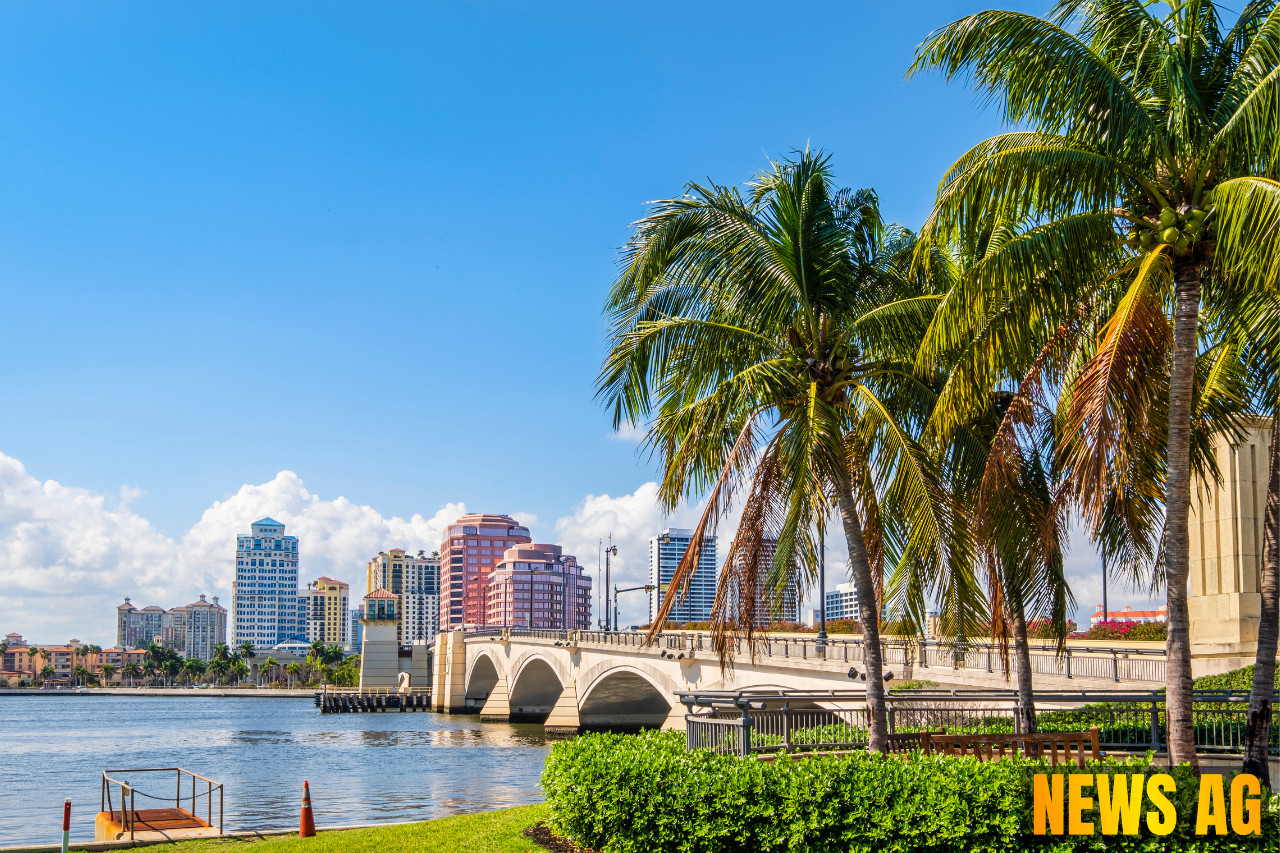


West Palm Beach, Florida, known for its warm weather, swaying palm trees, and stunning ocean views, can occasionally have a cloudy side: flooding. While most days in this sunny paradise do not present flooding concerns, the region is susceptible to water accumulation in streets and low-lying areas due to heavy rainstorms, seasonal weather systems, and coastal conditions. Understanding the causes of flooding is essential for property owners, particularly business operators who might need to reevaluate their plumbing and drainage systems to stay above water.
According to Love Happens Magazine, South Florida’s geography plays a significant role in this issue. The area’s flat terrain is close to sea level, making it vulnerable to quick water accumulation during intense rainfall. What’s more, the wet season, which runs from late spring to early fall, frequently brings powerful thunderstorms that can overwhelm local drainage systems. Add tropical storms and hurricanes into the mix, and it’s easy to see how flooding can happen.
Understanding Local Flooding
Palm Beach County’s characteristics further illuminate the flooding risks. This region is not only flat but also heavily developed, intensifying its susceptibility to various types of flooding. Flash floods can emerge rapidly from intense short-term rainfall, while longer-term flooding can occur from gradual water level increases. Coastal surge flooding can be exacerbated by storm-force winds, and there are even risks from dike breaches during significant rain events, according to Palm Beach County Public Safety.

The county is fortunate to have a complex flood control system managed by the South Florida Water Management District, which strives to maintain effective drainage systems. Without regular maintenance, this infrastructure risks becoming inadequate, leading to various flooding scenarios. Understanding the key factors contributing to inland flooding—such as rainfall intensity and rapid runoff from development—is essential for local residents and business owners alike.
Identifying Vulnerable Areas
Flooding can affect specific areas more than others in West Palm Beach. Those low elevation streets near canals or coastal zones are frequently inundated, as are older commercial districts with outdated drainage systems. Parking lots and properties near waterways have also been known to suffer during heavy rainfall. For businesses, water intrusion can occur through doorways or floor drains, drastically affecting interiors and turning a sunny day into a torrential nightmare.
Consequently, businesses need to take proactive measures. Regular inspection and maintenance of storm drains and sump pump systems are crucial, as is checking backflow prevention devices. Ensuring proper grading around buildings to direct water away can have a significant impact. Expert plumbing professionals can evaluate drainage systems to identify vulnerabilities and provide valuable recommendations for necessary upgrades to handle heavy rains.
The Importance of Preparedness
Flood awareness and readiness cannot be underestimated. Businesses that invest in robust plumbing systems and maintain clear drainage paths are better positioned to manage flooding risks effectively. With Palm Beach County averaging over 60 inches of rain annually, understanding how to prepare is not just a good idea—it’s essential.
In conclusion, West Palm Beach is a lovely locale that can quickly go underwater when severe weather strikes. Those who take the time to understand the causes of flooding and prepare accordingly will find they can weather the storm, keeping their operations afloat even when the skies open up.