
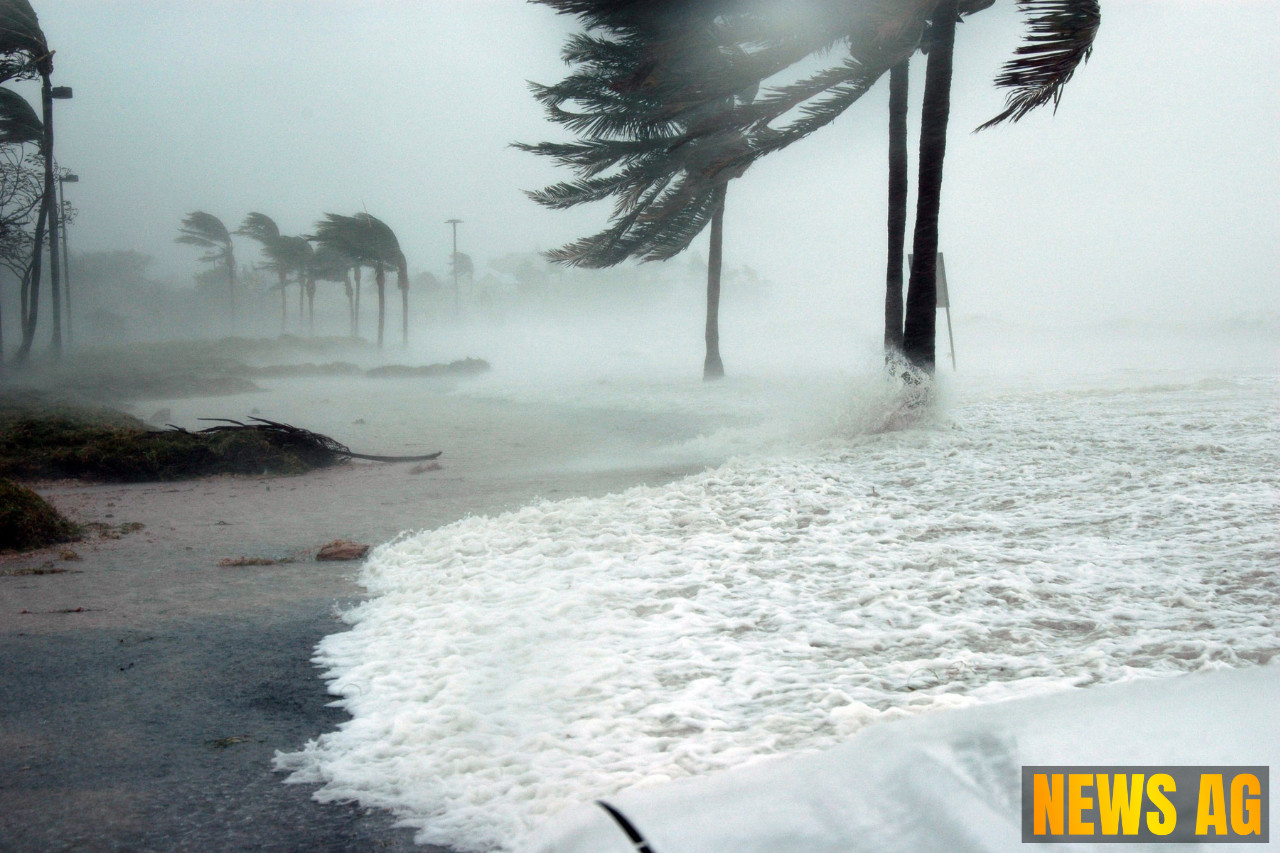
The Florida Keys is at a pivotal moment as the Legislature prepares to usher in a wave of new development through Senate Bill 180. This bill is fundamentally aimed at hurricane recovery and bolstering emergency response efforts in Monroe County. Notably, it paves the way for up to 900 new developments over the next ten years by extending the mandatory evacuation window from 24 hours to 24.5 hours for permanent residents. However, the debate surrounding this development is far from one-sided, with significant concerns about overpopulation, traffic headaches, and increasing flooding risks in this unique ecosystem.
Long-time activist Ed Davidson highlights the ongoing environmental challenges, arguing that the area has already surpassed its environmental carrying capacity. Given the potential for more residents and traffic, how will local infrastructure cope? The bill passed nearly unanimously in the Legislature and is on track to become law by July 1, 2025, but the implications are stirring up discussions among residents and local officials alike.
Community and Environmental Concerns
Among the local voices, there are strong objections to the proposed development. Some officials raise alarms about whether the wishes of the community are being overlooked in favor of progress. As Emmanuelle DeThomas, a representative from the Monroe County Commission, has stated, “Traffic concerns are paramount, and we cannot allow development to outpace our infrastructure.” Furthermore, with nearly 9,000 vacant lots already sprinkled throughout the Keys, the newly proposed development raises questions about the necessity of additional housing, especially as the county grapples with a $300 million bill for road elevation projects due to rising sea levels and an estimated $4.7 billion required to address these changes over the coming decades.
Opponents argue that prioritizing new permits could backfire, with some property owners threatening lawsuits if development permits stall. To avoid such legal quagmires, Monroe County aims to keep the momentum going with development permits. But will this lead to the community’s long-term sustainability, or merely set the stage for impending crises?
The Path of Senate Bill 180
Senate Bill 180 has made a swift journey through the legislative process since its filing on February 27, 2025. The bill ping-ponged through various committees, securing a nearly unanimous endorsement each time. Notably, the Appropriations committee passed the measure with a vote of 17 to 0, evidencing solid bipartisan support. By April 29, 2025, the bill had cleared its final hurdles in the House with an impressive 115-1 vote and has since moved back to the Senate for final approvals.
Also, the House Agriculture and Natural Resources Budget Subcommittee has revised complementary legislation designed to support affordable housing initiatives in the Keys. This bill, led by Rep. Jim Mooney (R-Islamorada), seeks to strike a harmony between environmental protection and housing needs by making construction performance bonds optional for nonprofits like Habitat for Humanity. Such measures could help cut costs and enhance the availability of affordable homes, a critical issue in the popular yet pricey Keys market.
As this initiative progresses, concerns linger. After all, is there a line between necessary development to support the local economy, and preserving the unique charm and ecological integrity of the Florida Keys? With the approval process fast-tracking, all eyes are on the region as this transformational period unfolds. What will the balance look like? Only time will tell as residents adjust to new realities.