
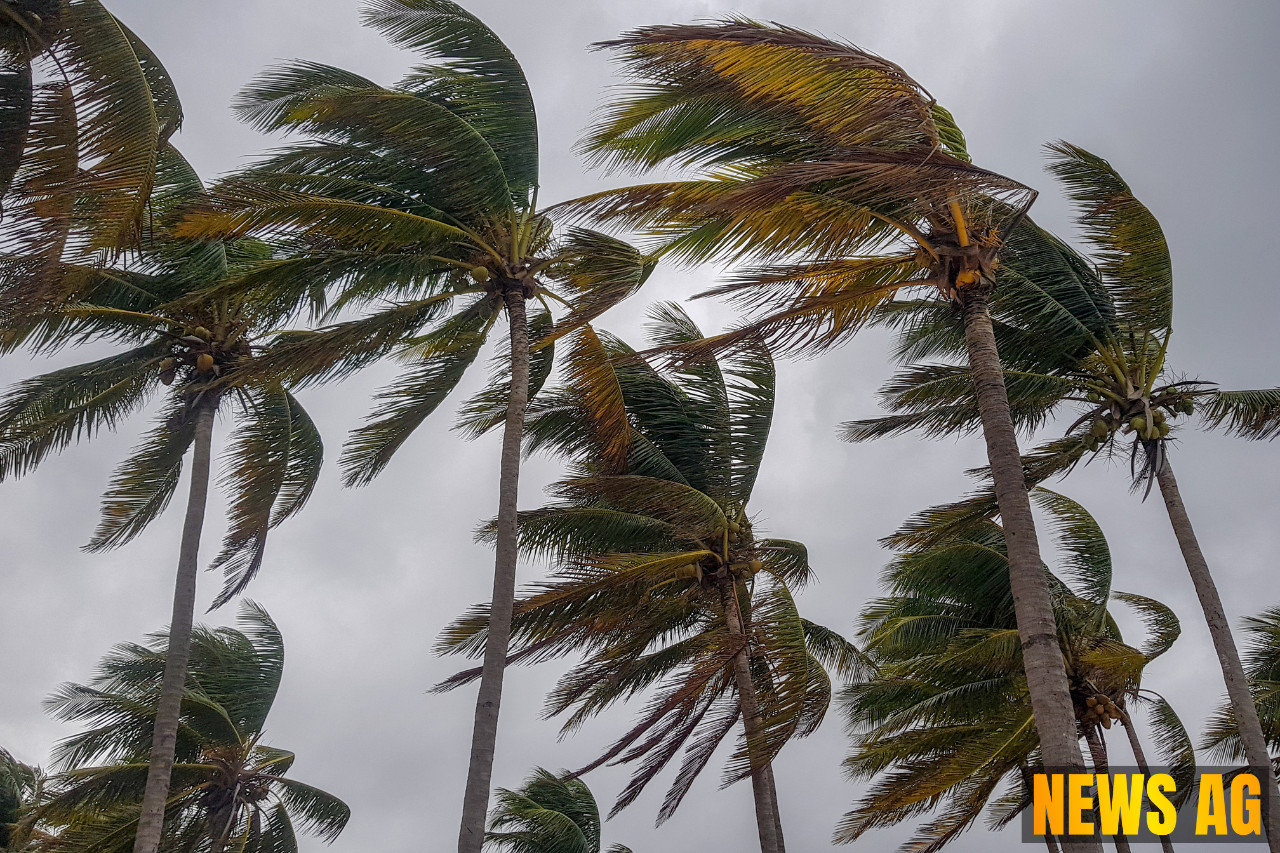
This weekend, South Florida is experiencing a dramatic influx of Saharan dust that brings both hazy skies and soaring temperatures. As residents and visitors prepare for a hot summer weekend, they’ll find themselves basking under intensely sunny conditions caused by this weather phenomenon. Local10 reports that the dust plume is preventing any tropical cyclone development for the next week, a welcome note for those concerned about hurricane season.
The Saharan dust, which sweeps across the Atlantic from North Africa, creates a unique climate situation. Although it inhibits hurricane activity, it also results in high heat and increased UV radiation. This Saturday, highs are predicted to reach the upper 80s along the coast and into the mid-90s further inland. With very high UV levels expected, the National Weather Service has issued warnings advising beachgoers to apply sunscreen regularly and to swim only at guarded beaches, despite a low risk of rip currents.
Impact on Weather and Air Quality
The current dust event is notable. According to Fox Weather’s Brandy Campbell, a significant plume is traveling from Africa and is forecasted to reach the U.S. by late this week. NOAA estimates that upwards of 180 million tons of dust are released from Africa every year, impacting thunderstorm activity and tropical cyclone formation. Recent observations even confirmed a minor dust event affecting the Gulf of America and the Florida Keys.
This phenomenon typically peaks in June and July, with historical data showing dust outbreaks tapering off by late August. Last year’s events impacted even Europe, leading to hazy skies and minimal cyclone development in the Atlantic. If the current plume maintains its density, we could see vibrant sunrises and reduced thunderstorm activity locally, but it’s not without its concerns. People with respiratory issues might experience discomfort from the dust, such as irritation of the eyes, nose, and throat.
Hurricane Dynamics and Climate Change
But why should we care about these dusty meteorological events? Research is shedding light on the relationship between Saharan dust and hurricane behavior. A study published in July 2024 revealed that the dust plays a critical role in regulating hurricane rainfall. Contrary to previous beliefs, it seems that Sahara dust is now considered a more significant factor controlling hurricane precipitation than sea surface temperature or atmospheric humidity, according to the study’s lead author, Yuan Wang.
This kind of research highlights the intricate dynamics at play between dust, ocean conditions, and the behavior of storms. A complex interaction exists: while dust can enhance precipitation under certain conditions by aiding ice cloud formation, it might also weaken storms through cooling effects. Understanding these relationships is essential, especially as projections indicate that hurricane rainfall may increase, notwithstanding a potential decline in Saharan dust transport due to climate change.
While the Saharan dust helps suppress hurricane formation this season, it also raises questions about future storm dynamics and public safety. As we enjoy this unique weather phenomenon, it’s essential to remain mindful of its impacts on health and the environment.
Stay connected for further updates as meteorologists continue to monitor the situation. It seems the skies over Florida will remain both stunning and complex, measuring how nature can both dazzle and disrupt our lives.