
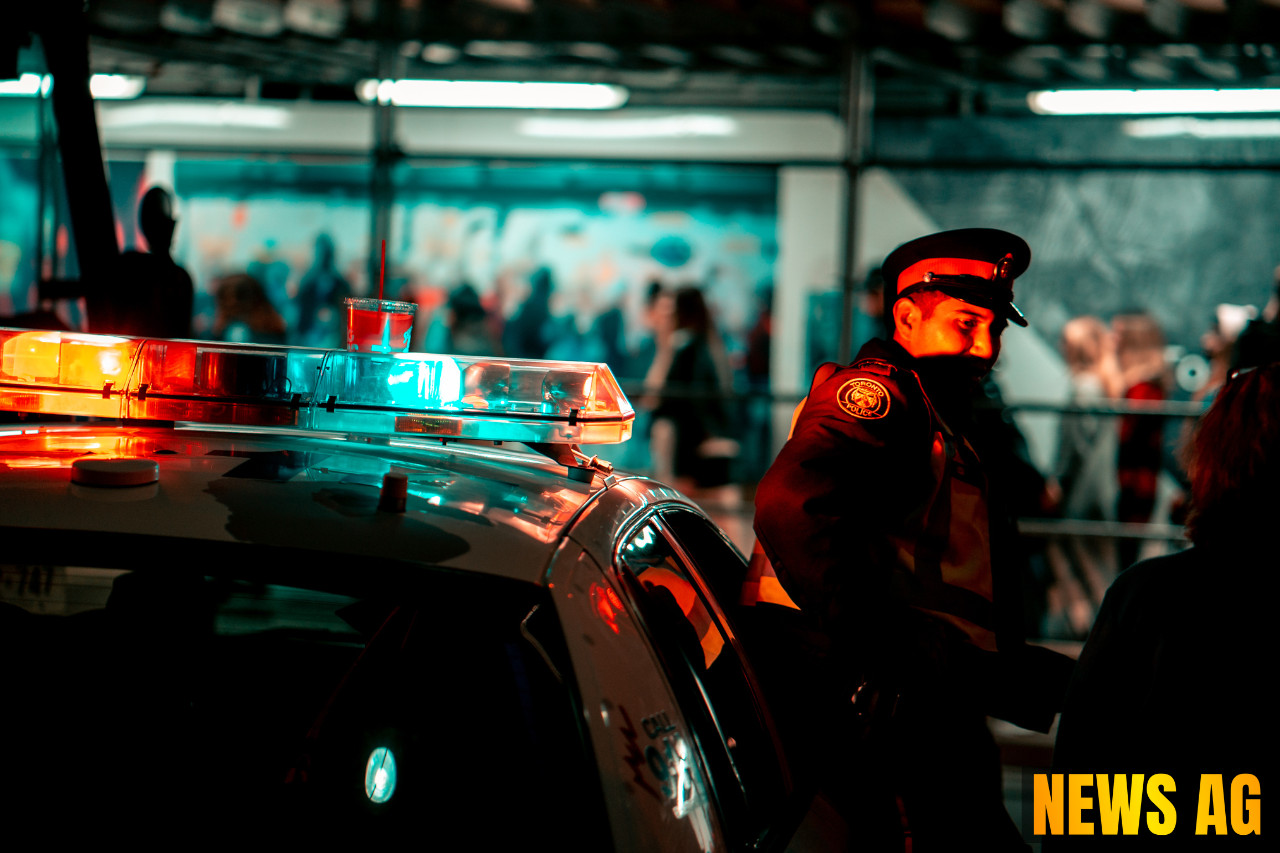
In a bold message that has raised eyebrows across the Sunshine State, Brevard County Sheriff Wayne Ivey has issued a stark warning to anyone planning to join the „No Kings“ protests slated for June 14, 2025. During a recent news conference, Ivey made it abundantly clear that any acts of violence against law enforcement will not be tolerated and will result in severe consequences. “We will kill you graveyard dead,” he stated emphatically, underlining the willingness of law enforcement to use lethal force against those who threaten officers with weapons or physical harm. His remarks aim to echo the sentiments of Florida’s tough stance on public disorder, reflecting the state’s designation as an „anti-riot“ state.
The warnings come amidst rising tensions and protests across the nation, particularly following violent demonstrations in Los Angeles where clashes have broken out between protesters and police. As noted by Raw Story, these events have led to significant unrest, including looting and hundreds of arrests. In anticipation of similar incidents, law enforcement agencies across Florida, including the National Guard, are preparing for the possibility of unrest.
An Unyielding Stance Against Unrest
Florida Attorney General James Uthmeier echoed Ivey’s sentiments in the same press conference, asserting that peaceful protests are welcomed, but any deviation towards violence will not go unpunished. Governor Ron DeSantis has also made it clear that local law enforcement is ready to step in if protests escalate. He emphasized, “It won’t go well for you” for those considering crossing legal boundaries during demonstrations, reinforcing the administration’s commitment to maintaining order.
While peaceful protest is a cornerstone of First Amendment rights, these rights are coupled with legal expectations, defining a riot as a gathering of three or more individuals that threatens public safety. The ACLU of Florida voiced their concern regarding Ivey’s overt threats, asserting that such comments are “un-American” and cautioning against the potential for excessive force, which could lead to costly consequences for the state.
Best Practices in Managing Protests
As mass protests evolve, largely fueled by social media’s reach, law enforcement faces new challenges in maintaining public order. Traditional methods may prove ineffective, necessitating a shift in strategy. According to insights from the Constitutional Protest Guide, agencies are advised to engage in advanced planning, emphasizing clear communication and de-escalation methods to ensure both the safety of the public and the protection of constitutional rights.
It’s important that police actions during demonstrations are proportionate and avoid escalating tensions unnecessarily. As articulated in best practices for managing protests, the focus should be on crowd management rather than control. Enforcement should target individuals engaging in unlawful behavior, rather than punitive measures against large groups. This strategy aims to reduce the potential for violence, maintaining a measured approach to law enforcement during such gatherings.
As the „No Kings“ protests approach, the atmosphere remains charged with apprehension and determination from both activists and law enforcement. Will we witness a day of peaceful expression, or are tensions poised to ignite as they did nationwide previously? Only time will tell, but one thing is certain: the stakes are high.