
In an alarming incident that has struck a nerve within the local community, volunteers from the Beaches Sea Turtle Patrol recently discovered the tragic aftermath of a dog attack that left 23 newly hatched sea turtles dead along the shores of Atlantic Beach, Florida. This heartbreaking event coincided with a routine survey assessing the damage inflicted on nests by Hurricane Erin, highlighting the fragile balance that sea turtles must navigate amidst natural disasters and human actions.
Sarah Hirsch, Director of Research at Loggerhead Marinelife Center, emphasized the dire circumstances sea turtles face due to hurricanes, particularly the impact on their nesting sites and survival rates. Nests are often marked and screened to fend off predators, yet the hatchlings remain incredibly vulnerable as they make their perilous journey from nest to ocean. Unfortunately, pet owners who fail to keep their dogs leashed and within designated areas risk not only the safety of these creatures but also potential legal consequences. Local officials are urging pet owners to be responsible, emphasizing the importance of respecting nesting zones where these federally protected species strive to survive.
The Reality of Sea Turtle Nesting
As experts note, sea turtles have a notoriously low survival rate; only about 1 in 1,000 hatchlings reach adulthood. This statistic becomes even more concerning when natural disasters, such as hurricanes, wreak havoc on nesting sites. Following Hurricane Erin, it was reported that at least 23 nests were inundated with saltwater, complicating the incubation process and leading to unanticipated losses. Sadly, the Beaches Sea Turtle Patrol has called for the community to remain vigilant and avoid nesting areas until the season wraps up in October, as early morning walkers often encounter hatchlings making their way to the sea.
This year’s nesting season seemed promising, with a remarkable record of 133,941 loggerhead nests reported by the Florida Fish and Wildlife Conservation Commission. This figure marks an impressive increase of over 30,000 nests compared to typical seasons. However, conservation efforts continue to face significant challenges. As outlined by the Sanibel-Captiva Conservation Foundation, following Hurricane Idalia’s impact on August 30, staff and volunteers have been busy assessing the damage to sea turtle nests, confirming those that have been washed away or buried under sand. Alarmingly, the storm resulted in the total loss of 62 nests, while 27 survived in the affected area, with one nest hatching just a day after the storm.
Storms and Sea Turtle Survival
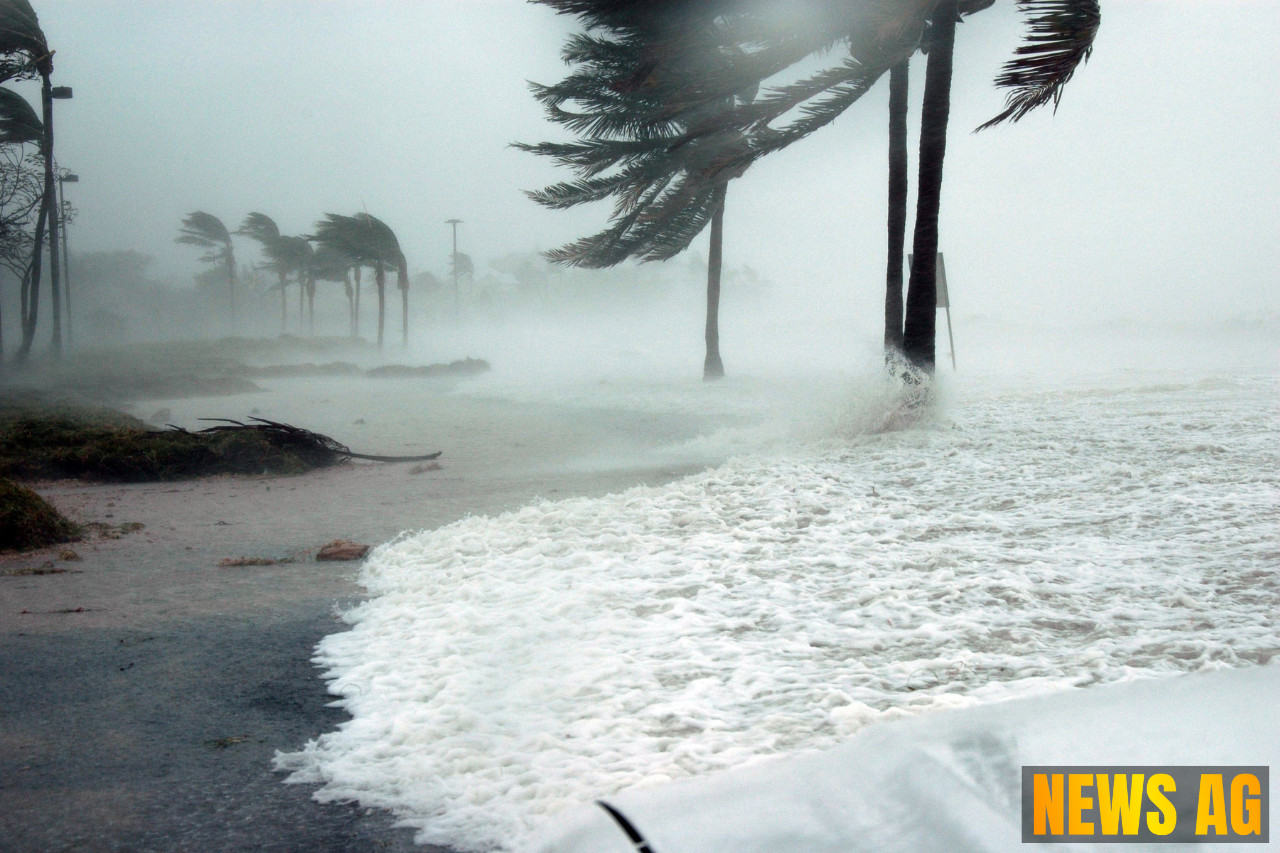
Hurricanes can push seawater higher onto beaches, resulting in severe flooding that drowns embryos and disrupts the delicate balance required for successful hatching. According to insights from the University of Florida Institute of Food and Agricultural Sciences, strong wave action can erode beaches, exposing eggs to predation or complete washout. While some nests can withstand brief wash-over events, erosion can lead to varying degrees of loss and disruption of the incubation process, affecting hatch success rates.
It’s worth noting that while storms pose significant risks, they aren’t the only threat to sea turtles. Coastal development remains a major concern, reducing suitable nesting areas and increasing issues such as artificial lighting, which can confuse nesting females and hatchlings alike. Beachgoers can play an essential role in conservation by avoiding nesting turtles, utilizing sea turtle-friendly lighting, and ensuring that pets do not disturb nests.
As we move through the hurricane season, which runs from June through November, it’s crucial for everyone to understand the impact of storms on sea turtle populations. With their nesting season overlapping this timeframe, the resilience of these ancient mariners is put to the test each year. Whether through tracking survival patterns or handling immediate threats, the commitment to safeguarding their future remains essential for conservation efforts.
For those concerned about injured or dead sea turtles, you can report sightings to the Florida Fish and Wildlife Conservation Commission at their wildlife alert hotline, 1-888-404-3922, ensuring swift action can be taken to assist these beautiful creatures in their time of need. Together, we can work toward a safer environment for our sea turtles and nurture the recovery that they so desperately need.