
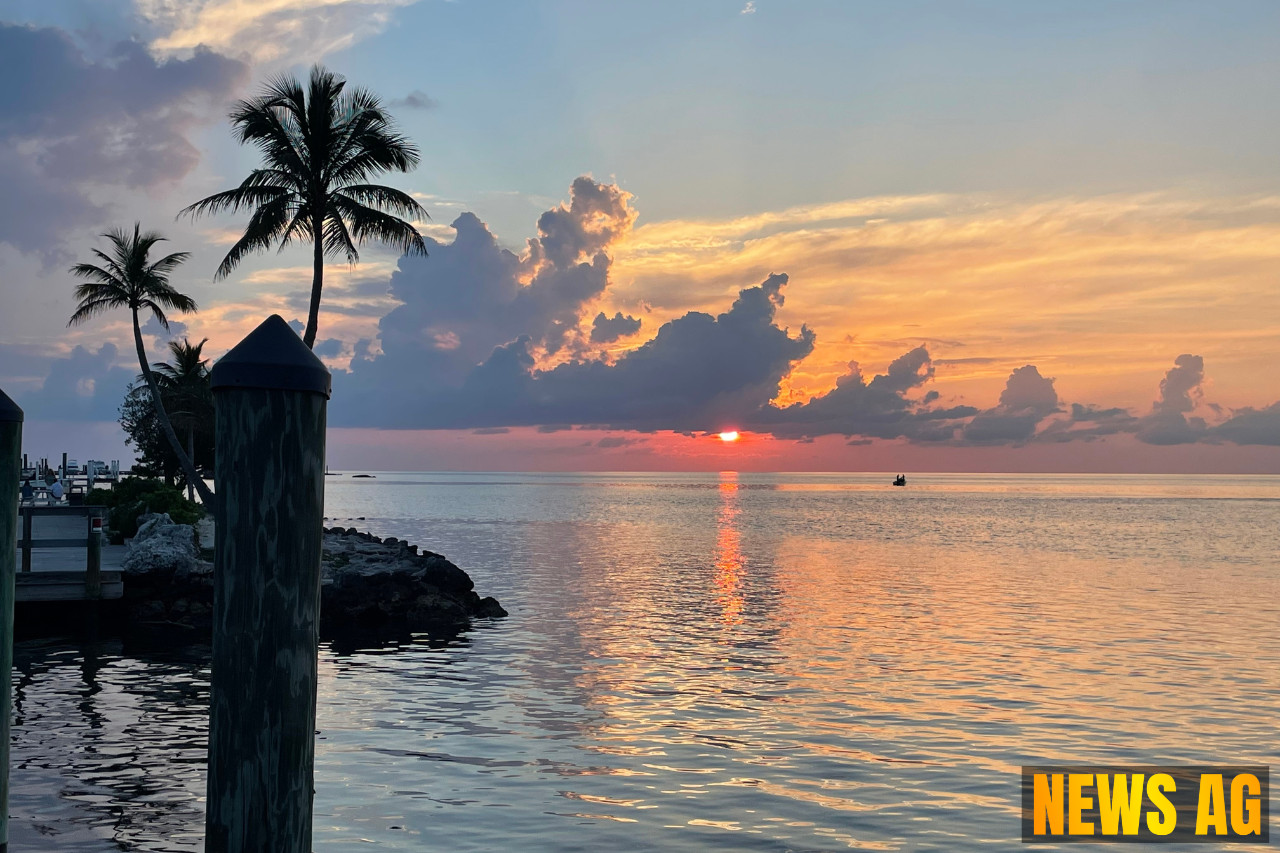
Located in the heart of Southeast Florida, the Loxahatchee River and its estuary are not only beautiful but also critically important for the local ecosystem. These shallow waters are home to a variety of plant and animal species, making it a prime spot for environmental education and conservation efforts. The mission of the River Centers, as detailed on their website, is to promote environmental awareness for the Loxahatchee River watershed. They offer a range of educational programs, exhibitions, and significant events aimed at engaging the community and fostering a deeper understanding of this unique ecosystem. Facilities include live aquariums, interactive displays, and a touch tank, providing hands-on learning experiences for visitors of all ages.
One of the key focuses of the River Centers is Florida’s first National Wild and Scenic River. Their target audience spans school children, adults, visitors, and long-time residents, all of whom are encouraged to participate in learning about the Loxahatchee River system, which ranges from freshwater cypress swamps to seagrass-dominated estuaries and marine ecosystems. The River Center is currently located on the eastern side of Burt Reynolds Park, specifically at 805 North US Highway 1, a site that has transitioned from its original position beside the lighthouse.
Environmental Education and Community Engagement
The organization has successfully trained generations of young scientists at the Loxahatchee River, emphasizing the importance of stewardship for the watershed through interactive environmental education programs. Their mission extends beyond just education; they aim to protect public health and preserve the Loxahatchee River watershed and its natural habitats through innovative wastewater solutions and environmental responsibility.
Recent challenges to the Loxahatchee River have arisen due to human activities and rising sea levels, which have led to significant negative impacts on the ecosystem. Drainage patterns in the watershed have been altered due to land development and construction, including the Florida Turnpike and various canal projects. These changes have resulted in increased saltwater intrusion and unwanted vegetative shifts in the floodplain, creating a complex web of environmental issues that need addressing.
Research and Solutions
Research has been conducted to assess the seasonal interaction between surface water and groundwater in the Loxahatchee floodplain. Scientists have tested hypotheses regarding the essential role of groundwater inflow in the overall water flow of the river and how salinity and other chemical components in shallow groundwater can influence vegetation distribution and health. Addressing issues related to saltwater intrusion and vegetation degradation is crucial for the long-term health of the Loxahatchee River ecosystem.
For more information on the various educational programs and initiatives at the Loxahatchee River, visit their official site at Loxahatchee River Center and learn how you can get involved in protecting this vital natural resource. Additionally, details about their environmental education efforts can be found at Loxahatchee River District.
As we continue to face environmental challenges, the Loxahatchee River serves as a reminder of the beauty and complexity of our natural world, urging us to take responsibility and act for its preservation.