
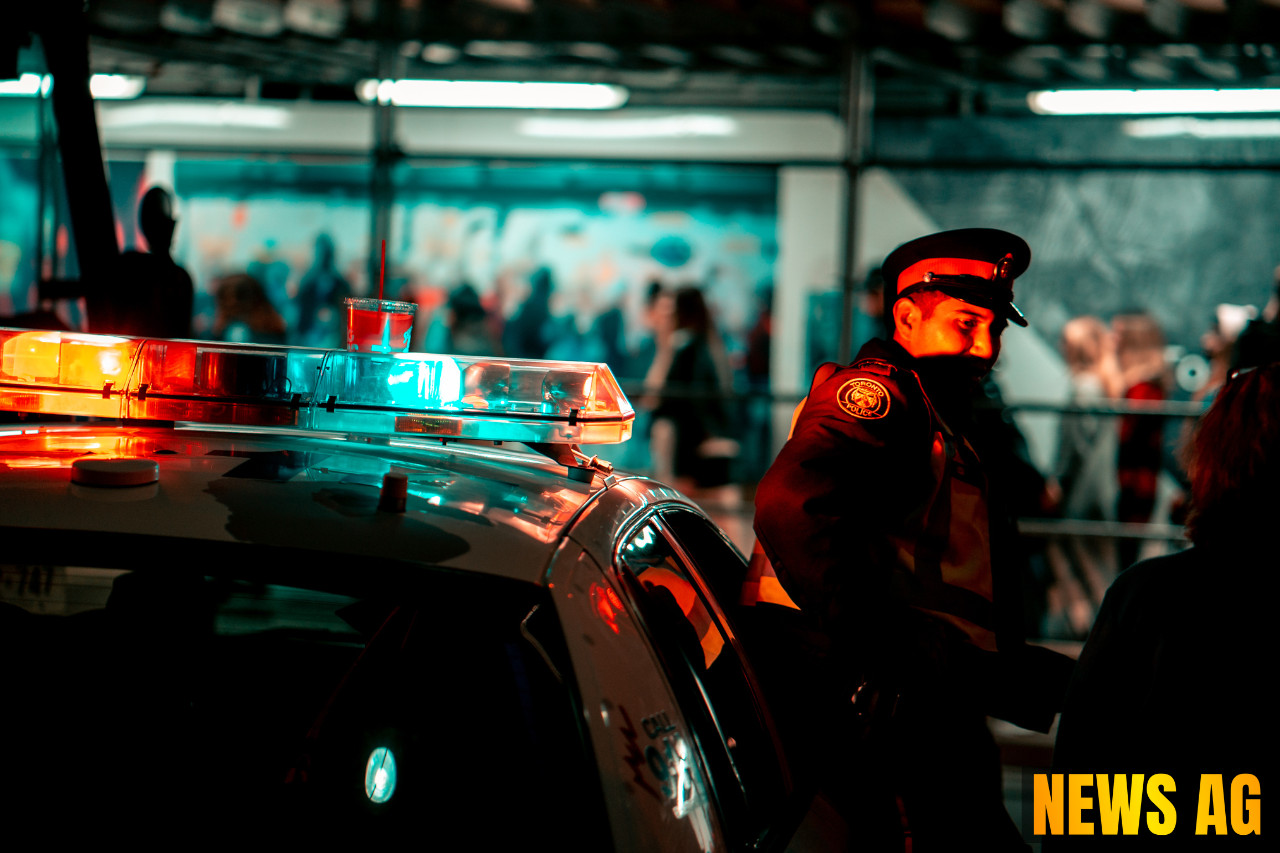
As the sun rises on June 14, 2025, Florida will witness more than 75 protests as part of the „No Kings“ demonstrations, aimed at voicing dissent against the Trump administration. This day is particularly symbolic, coinciding with Flag Day and the 79th birthday of former President Donald Trump. Tensions are high following recent protests in Los Angeles sparked by ICE raids, which saw confrontations between demonstrators and law enforcement, leading to a heightened focus on the implications of Florida’s „anti-riot“ law.
Florida Governor Ron DeSantis has made it clear that while peaceful protests are welcome, his administration will not tolerate any hint of violence. He stated, “We are prepared to quell any violence at the protests,” signaling robust law enforcement presence statewide. Local police, county sheriffs, the highway patrol, and even the National Guard are on standby, ready to act if any situation escalates, as reported by Tallahassee.com.
Understanding the ‚Anti-Riot‘ Law
The controversial „anti-riot“ law, passed in 2021, has drawn significant attention as it mandates that individuals arrested for unlawful assembly be held without bail until their first court appearance. Critics argue that its ambiguity could stifle peaceful demonstrations, while supporters claim it reinforces the legal framework necessary to maintain order during protests. The Florida Supreme Court has clarified that peaceful protesters will not be classified as rioters unless their actions turn violent, providing a crucial distinction in this charged atmosphere.
Adding to the complexity, Brevard County Sheriff Wayne Ivey sparked controversy recently with statements about potentially using deadly force against violent protesters. Such remarks raise questions about the extent of law enforcement’s authority during civil unrest. Meanwhile, DeSantis assured the public that drivers will not face legal repercussions if they strike protesters blocking roadways while attempting to escape danger—a statement that carries its own weighty implications.
A Nationwide Demonstration
The „No Kings“ protests are part of a broader pattern of dissatisfaction against the Trump administration, with over 2,000 similar protests planned across the nation. Florida’s demonstrations represent a microcosm of this nationwide mobilization, with locations from Jacksonville to Miami gearing up for participation. As the Human Rights Campaign shares safety tips for demonstrators, it reminds participants that although the First Amendment guarantees free speech rights—allowing for signs, chants, and speeches—protesters must remain vigilant to avoid escalation into violence.
Key points from the upcoming protests include the following:
- More than 75 protests are expected across Florida.
- Participants are urged to de-escalate confrontations and act lawfully.
- Protests should take place on public property, obeying restrictions concerning time, place, and manner.
- Any violence will be met with stringent legal repercussions, in line with the state’s anti-riot law.
As excitement brews over “No Kings” Day, observers will closely watch how these events unfold against the backdrop of Florida’s evolving legislative landscape. Will the protests maintain their focus on peaceful assembly, or will the tensions of the recent past resurface? With eyes on both protesters and law enforcement, it’s clear that this day will be pivotal not just for Florida, but as a flashpoint in the national conversation about the rights to free expression and the boundaries of law enforcement intervention, as highlighted by Yahoo News and USA Today.