
Today is May 25, 2026, and the scars of last year’s storms are still fresh in the minds of many Floridians. The Tampa Bay area, which had been blissfully untouched by major hurricanes for over a century, faced a rude awakening when Hurricane Helene made landfall as a Category 4 storm. It wreaked havoc in the Big Bend region, sending storm surges up to six to eight feet high, even though it didn’t hit directly. Just 13 days later, Hurricane Milton followed suit, landing near Siesta Key as a Category 3 storm, and bringing heavy rains and damaging winds to an area still reeling from Helene’s impact. It’s hard to believe that communities were hit twice in such a short span!
The aftermath of Milton was particularly brutal. St. Petersburg was drenched with 18 inches of rain in just 24 hours, while Tampa wasn’t spared either, recording about a foot of rain. Clearwater’s first responders heroically rescued over 500 people from the flooded Standard Apartments, marking Pinellas County’s largest water rescue on record. In the Forest Hills neighborhood, even homes outside of flood zones found themselves submerged as nearby retention ponds overflowed. The South Pasadena neighborhood showed signs of devastation, with many residents still grappling with recovery. It’s a stark reminder of nature’s power—something too many of us take for granted.
Recovery Efforts
In Manatee County, many homes remain in poor condition a year later, with warnings still in place to stay away from certain areas. Meanwhile, the city of Anna Maria is making strides towards recovery, allocating over $1 million from the state budget to restore its pier, although total repair costs could reach between $6 to $9 million. The goal? To reopen the pier by late fall next year. In Hernando County, Pine Island Beach Park has finally reopened after being closed due to hurricane damage, offering a glimmer of hope amid the ongoing recovery.
With hurricanes becoming increasingly common, the Florida Housing Coalition has stepped up to support local governments in the recovery process. They’ve developed interactive disaster housing dashboards that provide real-time data about the impact of hurricanes. These dashboards use OpenFEMA data to offer insights into housing damage, social vulnerabilities, and recovery progress. It’s a game changer for those trying to navigate the complexities of disaster recovery. Understanding the level of damage and how to allocate resources effectively is crucial, especially in a state that has experienced its fair share of natural disasters.
Preparedness and Future Outlook
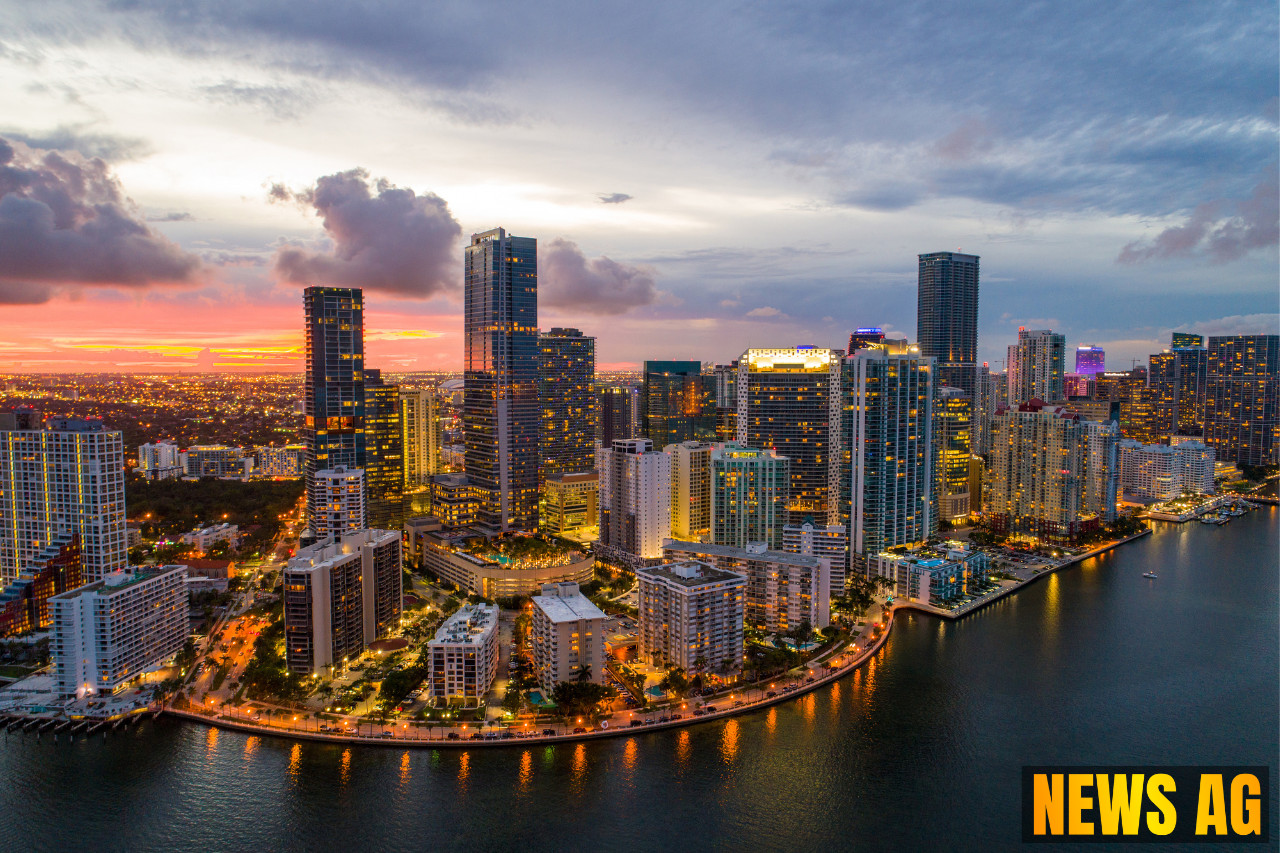
As we gear up for another hurricane season, which runs from June 1 to November 30, Floridians are encouraged to be proactive. Miami, for example, has its own set of challenges, facing not only hurricanes but also flooding on sunny days and a long heat season. Residents are advised to stock up on supplies for at least seven days, as supply chains can get disrupted before and after storms. And let’s not forget those pesky king tides that push saltwater into low-lying areas—definitely something to keep an eye on.
Florida has taken steps to ease the financial burden on residents preparing for hurricane season by making hurricane supplies tax-free starting in 2025. Items like batteries, fire extinguishers, and portable generators (up to $3,000) will be tax-exempt. With the looming threat of storms, it’s crucial to be prepared. Make sure your emergency kit includes essentials like cash, medications, and a flashlight. And, if you’re new to the area, finding your evacuation zone and signing up for emergency assistance programs can make a world of difference when the winds start howling.
As we reflect on the past year’s storms and the ongoing recovery efforts, it’s clear that the resilience of the Sunshine State shines brightly, even in the face of adversity. For more details on these resilience efforts, check out the full story on Bay News 9 and explore the resources provided by the Florida Housing Coalition to stay informed and prepared.