
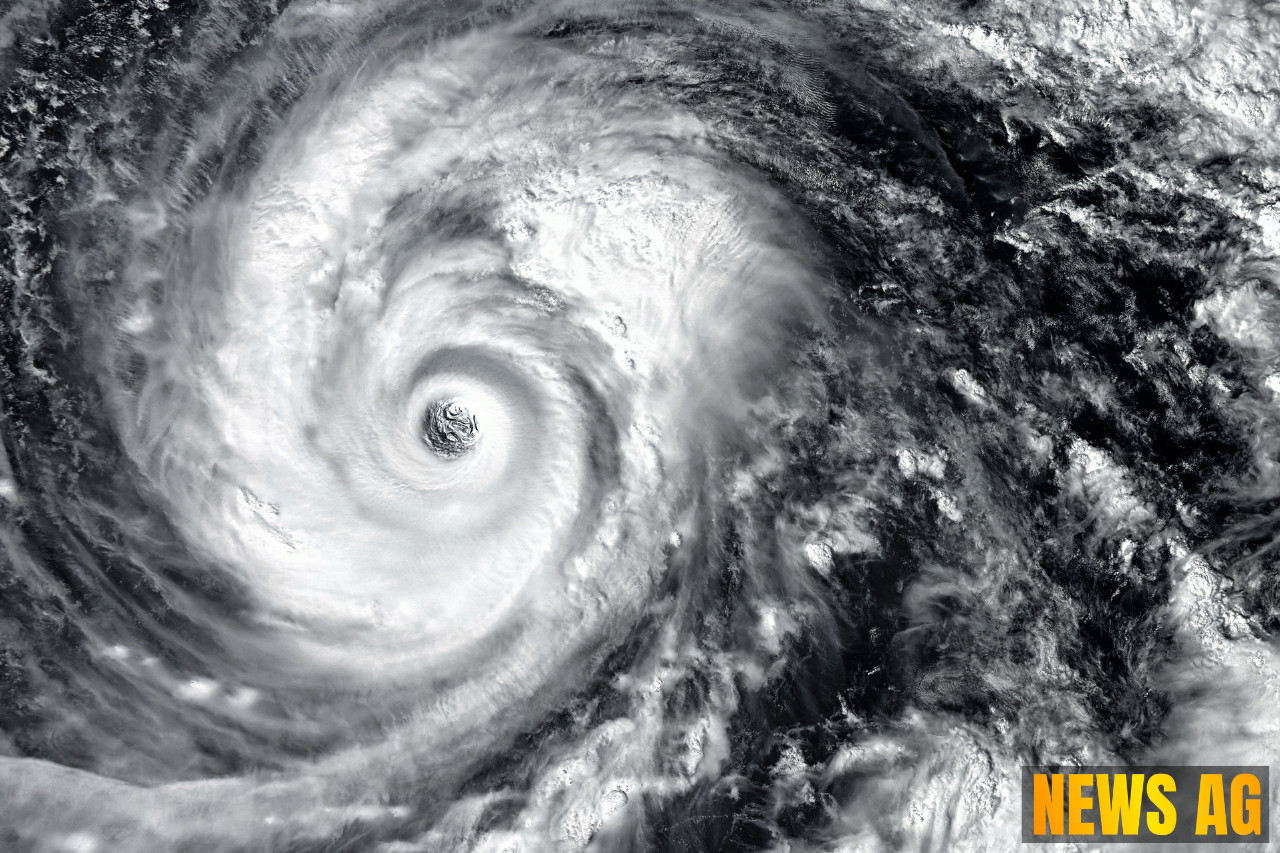
As the summer heats up in Florida, the lingering aftermath of Hurricanes Helene and Milton continues to haunt families like the Kvockas in Ruskin. Nine months post-disaster, Neil and Nicholle Kvocka are still grappling with the destructive realities of both the storms and an insurance system that seems bent on keeping them in limbo.
In a tale that feels all too familiar to many coastal residents, the Kvockas invested over $1 million in property insurance for their waterfront home. Unfortunately, their dreams have been washed away in the tumultuous surf of insurance disputes. Following the storm surge from Hurricane Helene, their home subsequently suffered fire damage from a neighbor’s property, leading to heartbreaking news from engineers: the rooms of their home were physically shifting. Yet, in the midst of this chaos, the necessary payouts to rebuild remain elusive.
The Insurance Impasse
The situation escalated quickly as Citizens Insurance, the state-run entity, denied the Kvockas‘ claims related to flooding, asserting they were not liable for flood damage. Meanwhile, federal flood insurance attributed some damages to wind and fire—perils excluded from its coverage. Despite a meager payout of $104,000 from the flood insurance, it falls dreadfully short of the funds needed for rebuilding. As contractors unanimously advised that the home should be demolished and rebuilt, the Kvockas were left feeling the ache of hopelessness, with one contractor bluntly stating, „There’s more damage than it’s worth.“
Just before entering arbitration with Citizens Insurance, the couple was offered a settlement of $41,000—pathetically little compared to their enormous losses. This offer was later raised to $250,000 but still deemed inadequate. Ultimately, they lost the arbitration and now face a complex timeline: with Hurricane Milton hitting just 13 days after Helene, they were left navigating three claims across two hurricanes with total payouts limited to that disappointing $104,000.
A Bleak Living Situation
The ramifications of this insurance nightmare are dire. The payout, currently frozen by their mortgage company, complicates matters further, leaving the Kvockas unable to sell their home. To add salt to the wound, they see neighbors selling for less than what they owe, a stark blow considering their property was valued at $1.3 million pre-storm but has plummeted to about $400,000 today. With nowhere else to turn, the family now resides in a $105,000 camper, where their teenage children sleep in cramped loft spaces. The burden of a nearly $100,000 camper loan alongside a mortgage in forbearance adds more weight to their already heavy hearts. It’s a tragic cycle—continuing to pay for home insurance on a house they can’t even live in.
In a glimmer of hope, Florida’s Insurance Commissioner, Michael Yaworsky, has expressed a desire to intervene in the Kvockas‘ case. He advocates for a single-adjuster system for insurance claims, a move that would require legislative support. This approach could potentially simplify claims processes and avoid situations like the Kvockas‘, where multiple claims create a quagmire that leaves residents in a state of confusion and despair.
As the Kvockas and many others look to rebuild their lives, the shadows of insurance chaos loom larger than ever. The National Flood Insurance Program (NFIP) is another facet of this intricate puzzle, providing vital data on flood risk and insurance policy trends. For interested readers wanting to delve deeper into the current landscape of flood insurance and its challenges, floodsmart.gov offers a wealth of information. The need for reform and improved support for storm victims has never been more pressing.