
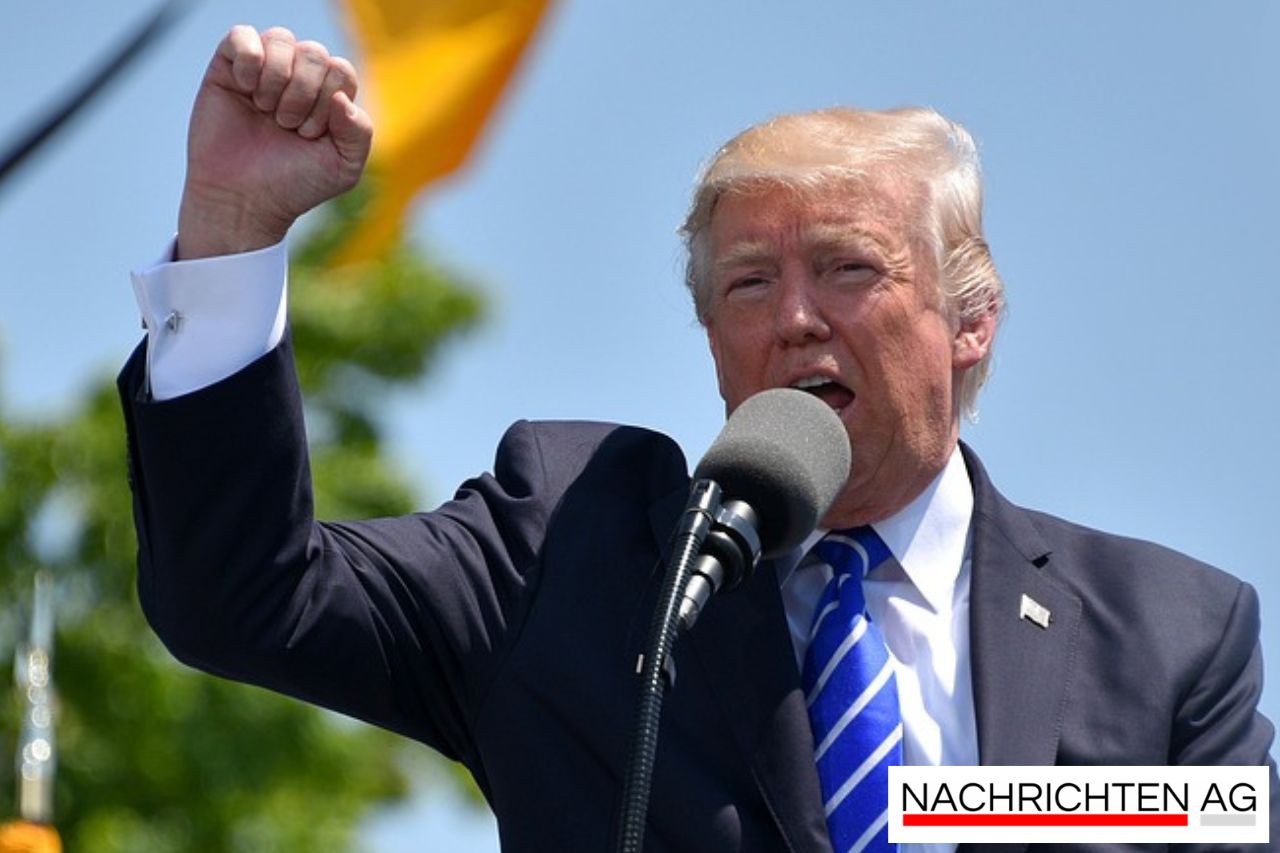
In a whirlwind of congressional activity, President Donald Trump basked in the success of his domestic policy legislation, affectionately dubbed the „one big, beautiful bill,“ following its narrow passage in the Senate with a tense 51-50 vote. This outcome comes as Trump prepares to send the bill to a GOP-led House for further scrutiny and amendments, where he expressed confidence that it will find smoother sailing than it did in the Senate, where three Republicans—Susan Collins, Thom Tillis, and Rand Paul—deflected from party lines and voted against it, prompting Vice President JD Vance to cast a tiebreaking vote. The Washington Examiner reports that the House is gearing up for discussions starting Wednesday, but the clock is ticking toward the July 4 deadline, with some lawmakers unsure if they can meet it.
What’s on the table? The legislation proposes sweeping changes, including substantial tax cuts, along with significant reductions in Medicaid, food assistance, and clean energy programs. There’s something to be said for the seriousness of those cuts; estimates from the Congressional Budget Office suggest that nearly 11.8 million Americans could find themselves without health insurance by 2034 due to these changes. Yet, Trump, in his confident swagger, attributed potential Medicaid cuts to an effort to eliminate unnecessary spending, arguing that the situation may not be as dire as the estimates suggest.
The Legislative Landscape
The Senate’s version of the bill mirrors a prior House version, reflecting core Republican principles of tax reduction and increased funding for military and immigration initiatives. Crucially, it includes provisions aimed at extending tax cuts from 2017 to avoid a looming tax hike at the year’s end. Notably, the bill also proposes a $5 trillion increase in the debt ceiling, which some have criticized, including Senator Rand Paul, who contested that the legislation irresponsibly raises the nation’s borrowing authority.
With the Senate voting using a procedure called reconciliation—an effort to bypass the Democratic filibuster—Republicans are consolidating support behind the necessity of housing this „Big Beautiful Bill.“ However, House Speaker Mike Johnson has made it clear that minimal changes are essential as the bill progresses to the House. The Associated Press emphasizes that any alterations made in the House must ensure congruence with the existing Senate version to avoid stalemate.
Crossfire and Controversy
As the clock ticks, protests erupted outside the Capitol, underscoring public unease regarding the ramifications of Medicaid cuts and potential food assistance reductions. Critics are concerned about the bill’s effects on rural healthcare providers, with Collins notably voting against it due to fears it could exacerbate already tenuous healthcare access in these communities. Furthermore, the bill proposes increasing work requirements for Medicaid and even ends the electric vehicle credit from the Inflation Reduction Act.
In Trump’s corner, the White House is vigorously defending the proposed changes, suggesting that they are structured to strengthen Medicaid over the long haul despite immediate cuts. Senators have been negotiating points of contention, including disagreements on food stamp protections for Alaska and Hawaii and the treatment of green energy tax credits. Meanwhile, high-profile figures like Elon Musk have expressed their discontent, hinting at potential primary challenges against Republicans who throw their support behind the legislation.
As the House prepares to dive into debate, President Trump has indicated he might be open to delaying the July 4 deadline if necessary, hinting at the complex web of negotiations and revisions likely ahead. In the backdrop of all this, Florida Governor Ron DeSantis has received Trump’s green light to utilize the National Guard as immigration judges for immigration cases, adding another layer to an already intricate political landscape.
Whether the „Big Beautiful Bill“ will arrive at its desired destination remains a question, but the journey through Congress promises to be as contentious as it is consequential.