
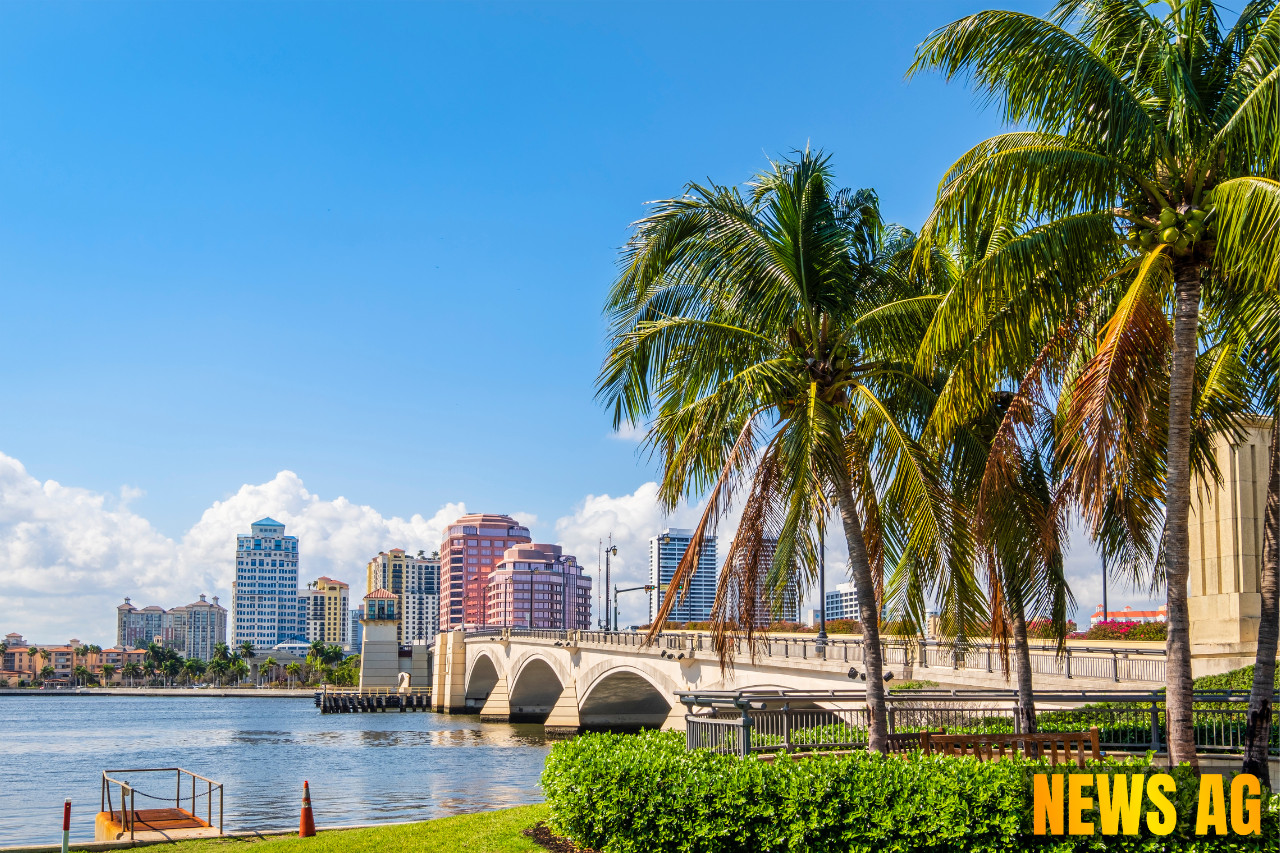
As the warm sun rises over Florida, residents and visitors alike can breathe a little easier this week, thanks to a positive update on the red tide situation. According to The Bradenton Times, there have been no observations of red tide in state samples collected over the past week. It’s a relief that brings with it the smell of saltwater and the sound of waves lapping at the shore—qualities we Floridians cherish.
Chlorophyll satellite imagery plays a crucial role, helping scientists keep track of conditions both nearshore and offshore. This advanced method allows experts to monitor water quality effectively and spot any changes early. Especially encouraging is the absence of fish kills linked to red tide reported to the Florida Fish and Wildlife Conservation Commission’s (FWC) Fish Kill Hotline. In fact, no respiratory irritation related to red tide has been reported across Florida, making it a great time for beachgoers.
What’s Next?
Looking ahead, forecasts indicate a northern movement of surface waters, with minimal transport of subsurface waters expected in areas stretching from Pinellas County to northern Monroe County over the next three and a half days. This bodes well for outdoor activities, as we all know how vital our coastal waters are to the economy and our lifestyles here.
Mark your calendars! A new status report will be issued on Friday, June 13, providing the community with fresh updates on this ever-changing situation. For those eager for real-time information, the online status report on the Red Tide Current Status page ensures that residents are kept in the loop.
Tackling Harmful Algal Blooms
While red tide may be under control for now, we can’t overlook the larger picture of harmful algal blooms (HABs) across our waters. NOAA explains that these troublesome blooms can happen in almost any body of water—fresh, marine, and brackish—and are primarily caused by various organisms, including toxic phytoplankton. These blooms produce toxins that can be harmful not only to marine life but also to humans.
Cyanobacteria, commonly known as blue-green algae, often leads to freshwater blooms that can prompt gastrointestinal issues in humans and pose serious health risks to animals. In marine and brackish environments, dinoflagellates and diatoms can trigger neurotoxic shellfish poisoning and respiratory irritation. Clearly, whether beachside or lakeside, awareness of harmful blooms is essential.
Furthermore, local health departments are clear that individuals with respiratory conditions should steer clear of affected areas during a HAB event. For those with pets, particularly dogs, caution is advised as they can be sensitive to cyanobacterial poisoning, with symptoms appearing rapidly after exposure to contaminated water.
Community Resources and Education
The Florida Fish and Wildlife Research Institute (FWRI) has multiple resources available, including maps, reports, and health-related hotlines, so residents can stay informed and vigilant. As Floridians, we have a good hand when it comes to protecting our natural resources, and educating ourselves about these phenomena is a significant part of that responsibility.
In conclusion, the latest updates on red tide and various harmful algal blooms remind us that while nature can be unpredictable, staying informed and proactive helps keep our beautiful state safe and enjoyable for everyone. Let’s celebrate the current clarity in our waters while being prepared to take action should the tides turn.