
Today is May 27, 2026, and there’s no better time to dive into the vibrant community of Islamorada, Florida, a gem nestled in Monroe County. With a population of 7,107 as of the 2020 census, this charming locale stretches across 28 kilometers and includes beautiful islands like Tea Table Key, Lower Matecumbe Key, Upper Matecumbe Key, Windley Key, and Plantation Key. If you’re looking for a slice of paradise, this is it!
Islamorada is often dubbed the “Village of Islands” and proudly claims the title of the “Fishing Capital of the World.” That’s not just for show! The rich waters surrounding the area are a fisherman’s dream—teeming with fish and offering some of the best spots for both amateur and seasoned anglers alike. But there’s more to this place than just fishing. The name “Islamorada,” frequently translated as “Purple Island,” has a fascinating backstory linked to a transport schooner named Island Home, as noted by historian Irving R. Eyster.
A Brief History
Let’s take a little trip back in time. The area has been inhabited since at least the 6th century, as evidenced by artifacts found on Plantation Key, showcasing a long history of human presence. Fast forward to 1733, when a Spanish silver fleet met its untimely fate during a hurricane, wrecking on the reefs of the island chain. It was a tough time for sailors, and the treacherous coral reefs earned a notorious reputation, leading to many shipwrecks and the rise of a salvage industry, particularly in nearby Key West, which became one of the wealthiest cities in the U.S. during the 19th century.
Families from the Bahamas and New England began settling in Islamorada in the mid-19th century, engaging in agriculture. By 1907, the Townsite of Isla Morada was officially founded on Upper Matecumbe Key, and the first post office opened its doors in 1908. The construction of the Overseas Railroad between 1905 and 1912 connected these islands to the mainland, making travel easier and opening up new opportunities for residents. However, disaster struck on September 2, 1935, when the Labor Day Hurricane devastated the railroad. A highway was constructed in 1938 on the former railroad bed, allowing better access to the islands.
Modern Islamorada
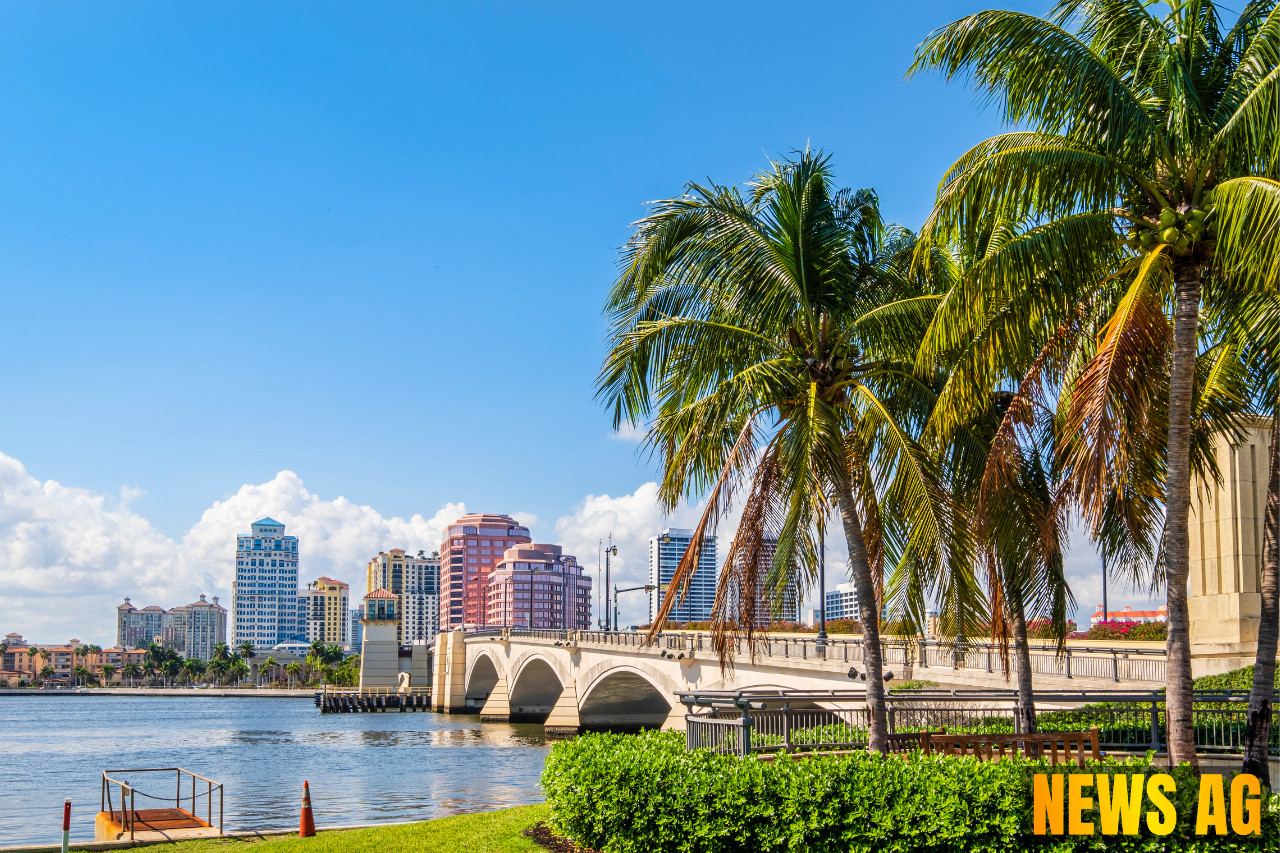
Today, Islamorada is a blend of rich history and tropical beauty, boasting crystal-clear waters and palm trees swaying in the breeze. The community is diverse, with a population density of 332.6 residents per square kilometer according to the 2010 census. Ethnically, it has a predominantly White population (96.5%), but also includes African Americans, Native Americans, Asian Americans, and a notable Hispanic or Latino presence (9.6%). Families make up 58% of households, with an average household size of 2.07 and a family size of 2.57. It’s interesting to note that the median age in Islamorada is 52—a reflection of its appeal to both retirees and younger families looking for a serene lifestyle.
In terms of language, English reigns supreme, spoken by 93.28% of the residents, with Spanish and other languages also finding their place within this melting pot. The picturesque surroundings are complemented by attractions like the Theater of the Sea, which has been entertaining visitors since 1946, and the nearby Windley Key Fossil Reef Geological State Park, showcasing the stunning natural beauty of the Keys. Plus, the San Pedro Underwater Park holds one of the sunken Spanish galleons from that fateful 1733 fleet—the perfect spot for diving enthusiasts!
Getting Around and More
Getting to Islamorada is a breeze thanks to the Overseas Highway (U.S. 1/SR A1A/SR 5) that runs right through the community. For those relying on public transportation, the area is integrated into the Miami-Dade County bus system, making it accessible for both locals and tourists. And for fans of the screen, Islamorada served as the backdrop for the popular TV series “Bloodline,” which brought additional attention to this already charming village.
As you wander through Islamorada, you’ll find a unique blend of history, culture, and adventure. Whether you’re casting a line, exploring the underwater parks, or simply soaking in the sun, this village truly captures the essence of the Florida Keys. So, pack your bags, grab your fishing gear, and get ready for an unforgettable experience in one of Florida’s most captivating spots! For more details, check out the full article on Wikipedia and explore the rich history of the Florida Keys on Florida365.