
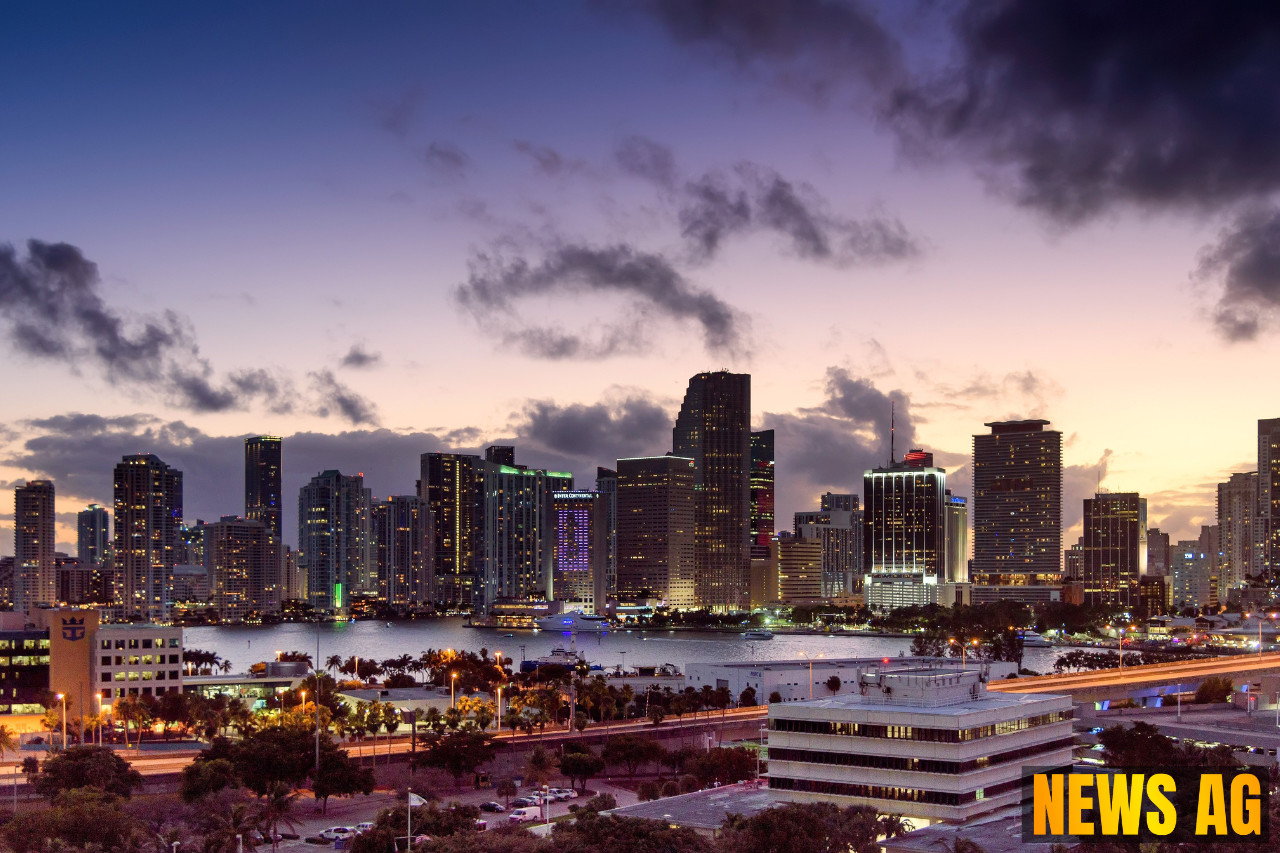
Today is April 24, 2026, and as we explore the rich tapestry of history in Monroe County, we find ourselves drawn to the vibrant past of Key West. This small island city, known for its stunning sunsets and laid-back charm, has a history that paints a picture of resilience and evolution, particularly shaped by its connection to the U.S. Navy.
Key West’s naval history dates back to 1822 when the U.S. Navy established a presence in the area after Florida became a U.S. Territory. Lt. Cmdr. Matthew C. Perry famously claimed the Florida Keys by planting the U.S. flag on Key West, marking the beginning of a significant military legacy. Over the years, the strategic location of Key West became essential for U.S. naval operations, particularly in the Gulf of Mexico and Caribbean Sea.
The Naval Legacy of Key West
The establishment of a Navy base in 1823 under Commodore David Porter allowed for the formation of a “Mosquito Fleet” that combated local piracy and enforced customs laws. Throughout the Civil War, the Navy played a crucial role in maintaining Union control over Key West and intercepting blockade runners. In 1898, the USS Maine sailed from Key West Naval Base, sparking the Spanish-American War and leading to the U.S. acquisition of former Spanish territories.
Fast forward to the 1930s, a time of transformation for Key West, especially with the construction of Navy facilities like a brig and training centers. However, the expansion of the Key West Naval Station would come at a cost. In 1942, four city blocks were condemned to accommodate this growth, with owners receiving compensation of $165,702. This area was bounded by Whitehead, Fleming, Thomas, and Eaton streets, showcasing the tangible changes that accompanied military expansion.
After World War II, the Navy’s presence continued to evolve. The Naval station closed, but the air station remained active as a training center under NAS Key West, which played a pivotal role during critical moments like the Cuban Missile Crisis in 1961. The base’s involvement in anti-drug operations and humanitarian missions further highlights its enduring significance in modern military strategy.
Key West’s Community Spirit
While the Navy’s influence shaped much of Key West’s development, the community has its stories and milestones. In 1908, Lancelot Lester made history as the first graduate of Key West High School, a proud moment celebrated during commencement exercises at the San Carlos. The town’s spirit was also tested in 1946 when a significant fire at the Overseas Transportation Co. resulted in heavy losses, including trucks and marine engines. This fire, believed to have been caused by boys smoking cigarettes, showcased the community’s resilience in the face of adversity.
Fast forward to 1985, when Mayor Richard Heyman and Florida Keys Aqueduct Authority Chairman Joe Pinder broke ground for a new water distribution system for Key West. This project reflected the city’s ongoing commitment to infrastructure and community wellbeing, ensuring that the charm of Key West continues to thrive.
For those looking to delve deeper into this rich history, you can explore more at the Key West Libraries and learn about the naval legacy at Key West Naval Housing. The evolution of Key West is not just a story of military significance but also one of community spirit and resilience.
As we look back at these historical milestones, we are reminded that every corner of Key West holds a story, a connection to the past that shapes the present. Whether it’s the echoes of naval ships or the laughter of high school graduates, Key West continues to be a vibrant tapestry woven from threads of history, culture, and community.