
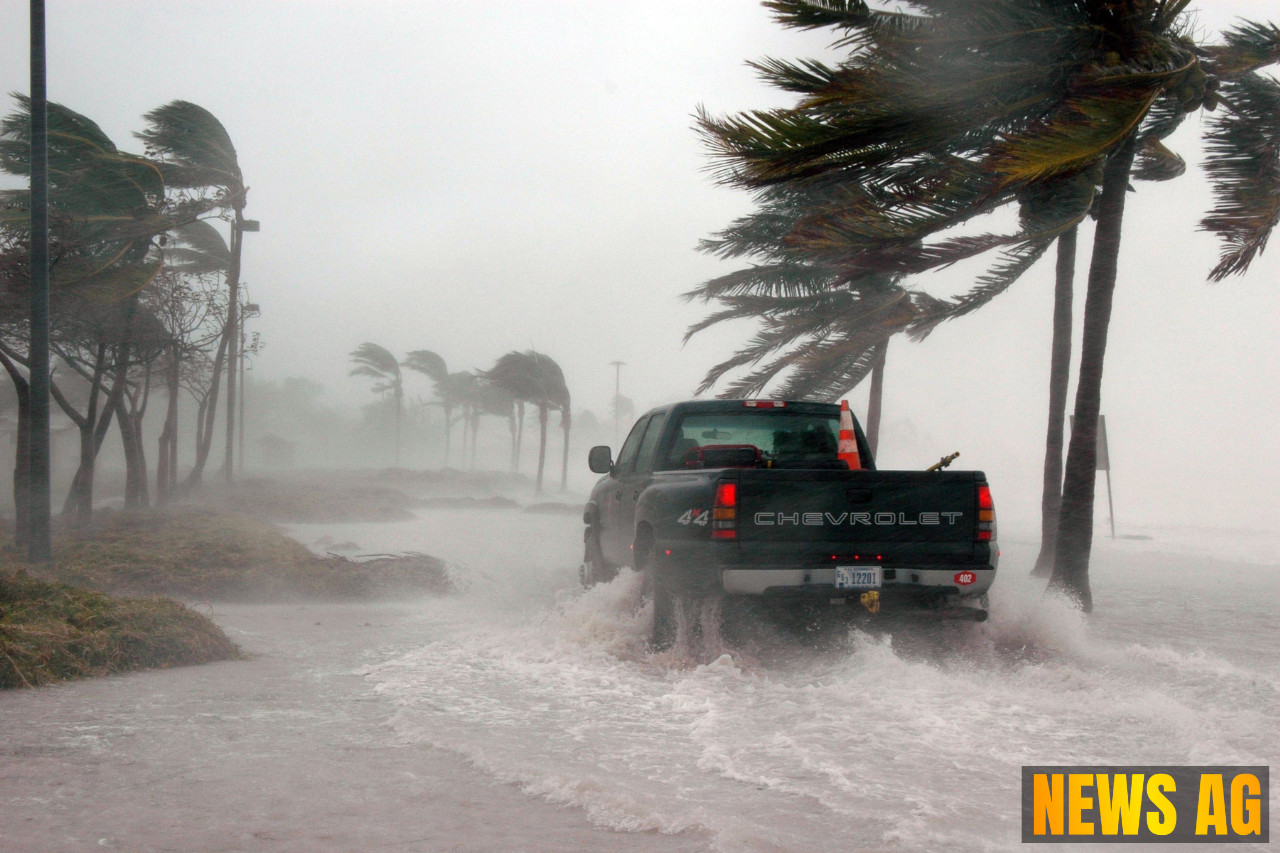
As the calendar flips to June, Florida enters the peak of hurricane season, a time when the state braces itself for potential natural disasters. Hurricane season officially started this month and will run until November 30. Residents are encouraged to stay informed and prepared as storms can develop quickly and impact areas far from the coast.
WGCU notes that being aware of your evacuation zone and signing up for local alert notifications is essential. With storms on the horizon, knowing where to go and what to do can make all the difference in ensuring safety. In fact, Fort Myers is hosting a Hurricane Preparedness Expo on June 7 at the Collaboratory from 11 a.m. to 3 p.m., where locals can gather vital tips and resources to fortify their storm strategies.
Get Ready Ahead of Time
Preparation is key, as demonstrated by recommendations from FEMA, who emphasizes that hurricanes can last only a few days, but their repercussions might linger for years. Residents are prompted to make a family emergency plan that includes crucial phone numbers and identifies safe shelters. As the winds start to whip, folks should make sure they have an emergency supply kit ready—think non-perishable food, water, and essential medications.
Alongside food and water, it’s wise to consider what else you might need. The CDC suggests gathering supplies like a battery-powered radio, flashlights, and a first aid kit. If you have pets, don’t forget to put together a plan that accommodates their needs too. Identifying pet-friendly shelters ahead of time will ease logistics should an evacuation become necessary.
Lee County is also urging residents to prepare their homes by cleaning yards and trimming trees to prevent dangerous projectiles during storms. Yard debris can quickly turn hazardous in strong winds, so it’s worth taking a few hours to tidy up. For those in Sarasota, the county recommends having at least seven days’ worth of food and water on hand. This is not just a good idea; it is a lifeline during an emergency.
Staying Informed
In Florida, not all hurricanes are created equal. They are categorized based on the Saffir-Simpson Hurricane Wind Scale, ranging from Category 1 to the catastrophic Category 5, with varying wind strengths. A significant portion of hurricane-related deaths—88%—stems from water hazards, underscoring the need for vigilance, especially in coastal areas. It’s essential for Floridians to understand the risks, including storm surges and flooding, as noted by FEMA.
Make sure to sign up for alert systems like Alert Sarasota for timely updates as conditions evolve. Keeping abreast of the difference between a hurricane watch—when conditions are possible—and a hurricane warning—when they are expected—is also crucial. The CDC highlights that watches are typically issued 48 hours prior to wind threats, giving families time to make vital decisions.
In Manatee County, self-service sandbag sites are open from dawn to dusk until November 30, offering residents a practical way to mitigate flooding risks. Remember, filling your gas tank and securing your vehicle are also part of being prepared—it’s a simple act that ensures you’re ready to evacuate if needed.
Final Thoughts
As June unfolds, and we settle into another hurricane season, the importance of preparation looms large over our sunny state. The shared wisdom from WGCU, FEMA, and the CDC serves as a reminder: preparedness is not just a box to check; it’s a vital step in safeguarding our lives and our loved ones. Florida’s storms may be powerful, but with a bit of forethought, we can weather the storm together.
For more detailed information on how to prepare, visit WGCU, FEMA, and CDC.