
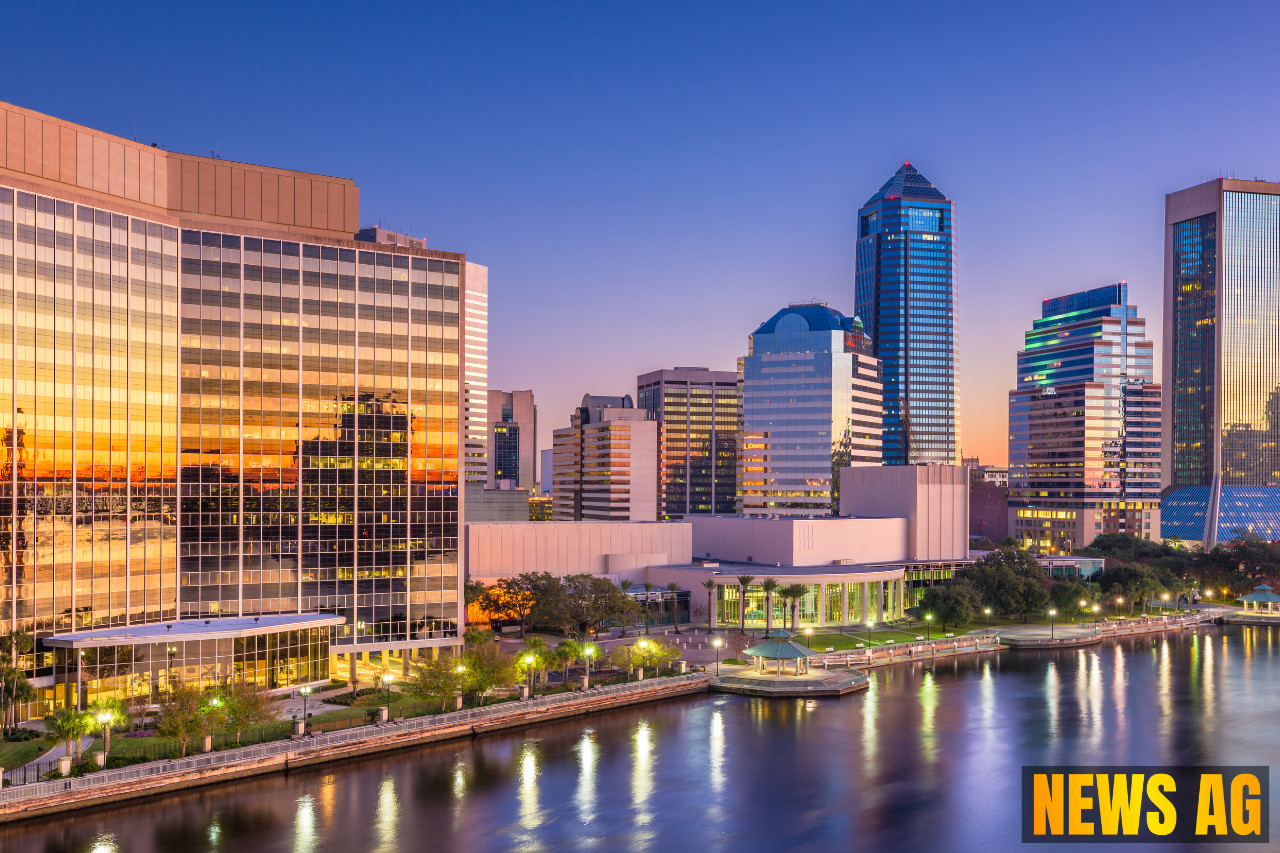
St. Pete Beach is a gem along Florida’s coastline, known for its sandy shores and vibrant atmosphere. But as of now, the Bellwether Beach Resort and The Beachcomber are both closed, victims of the recent havoc wreaked by Hurricane Helene. The reopening of these hotels, which many in the community had hoped would happen sooner, has been pushed back to July 2025. That’s a long wait for employees who have been out of work for months now, and it’s not just a minor inconvenience—it’s a struggle.
Bill Pruitt, a seasoned employee at The Beachcomber, expressed his disappointment at the news. “We were all expecting to be back at work by December 2023,” he said, his frustration evident. “But now, it feels like we’re stuck in limbo.” Unfortunately, he hasn’t seen any unemployment checks since December 2023, and that’s a tough pill to swallow. With 107 staff members at Bellwether and another 51 at The Beachcomber affected by these furloughs, the impact is far-reaching.
A Community in Need
Both hotels belong to Pyramid Global Hospitality, which has been working diligently to support its employees during this challenging time. They’re offering food assistance and extended health benefits, which is a silver lining, but it hardly makes up for the frustration and uncertainty faced by the staff. Shaun Kwiatkowski, the Bellwether’s general manager, noted that the damage from Hurricanes Helene and Milton was severe. It’s not just about the hotels; the entire community feels the ripple effects of this disaster.
Robin Miller, the interim CEO of the Tampa Bay Beaches Chamber of Commerce, pointed out that local businesses are grappling with challenges beyond just staffing. “We’re having trouble sourcing products and hiring workers,” she said. It’s a complex web of issues that’s affecting everyone from hotel staff to local suppliers. Pruitt is hopeful for a quicker solution to get the bars back open, as that’s a vital part of the local culture and economy.
The Bigger Picture
As we take a step back and look at the broader implications, it’s clear that the situation in St. Pete Beach reflects a much larger trend. According to a recent report from Aon, the economic toll of natural disasters reached a staggering $368 billion in 2024, with insured losses totaling $145 billion. Climate-related disasters are increasingly central to understanding these financial impacts. In North America, hurricanes like Helene and Milton highlight the urgent need for effective building regulations to mitigate hurricane damage. It’s not just about this one community; it underscores a growing vulnerability in various regions, especially as extreme weather events become more frequent.
The report also reveals that a significant portion of damages remains uninsured, particularly in Asia, South America, and Europe, where floods have wreaked havoc. With a global protection gap of 75%, the importance of accessible flood insurance is more critical than ever. Communities must come together—public and private sectors alike—to ensure better preparedness for future disasters. This is not just about St. Pete Beach; it’s about all of us.
While the Bellwether and The Beachcomber work towards reopening, the local community continues to rally around its members. It’s a tough time, but with resilience and support, there’s hope for a brighter future ahead. For more details on the situation, you can check out the full story on Bay News 9 and explore the wider implications of natural disasters in Aon’s 2025 Climate and Catastrophe Insight Report.